
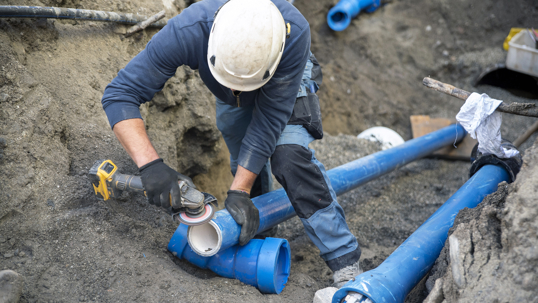
As Portland’s first real fall storms roll in, that first gurgle from a basement drain or slow-flushing toilet can make any homeowner wonder if their sewer is ready for months of rain. You might remember a past backup or know a neighbor who had to rip out carpet after a big storm. In a city that sees wet weather for much of the year, it does not take long for a small, hidden problem in your sewer line to turn into a very messy surprise.
Portland’s rainy season is different from a quick afternoon shower. For many weeks at a time, we go through long stretches of steady rain, short intense downpours, and periods where the ground never fully dries out. All of that water has to move away from your home, and a good portion of it depends on your private sewer line doing its job. If that line is already narrowed by roots or buildup, heavy rain can quickly tip it from “mostly fine” to “completely overwhelmed.”
At Wolcott, we have been working on plumbing and sewer systems in Portland homes and businesses since 1978, through nearly fifty rainy seasons. Over the years, we have seen clear patterns in when and how sewers fail in this climate, and we know that proactive cleaning, including hydro jetting when appropriate, can prevent many backups. In this guide, we will share how Portland’s rain affects your sewer, what warning signs to watch for, and how to prepare your system before the storms hit.
Why Portland’s Rainy Season Pushes Sewer Systems to the Limit
Portland’s wet season usually stretches over many months, with frequent rainy days rather than a few isolated storms. The soil around your home absorbs water until it is saturated, and storm drains, gutters, and downspouts are all working more often. Even if your gutters are clear and your roof is tight, your plumbing system feels this shift. Toilets, showers, washing machines, and dishwashers typically run more as people stay indoors, and all that wastewater moves through the same sewer line every day.
Under your yard, that private sewer lateral carries wastewater from your home to the city’s main line in the street. The city maintains the main, but the pipe that runs from your foundation to the connection is your responsibility. During dry weather, a partially blocked lateral might still keep up with daily use. When the rainy season settles in and overall flow increases, the reduced capacity inside that pipe becomes a bigger problem, especially when several fixtures run at once in a busy household.
In older Portland neighborhoods, sewers can also see extra water from minor cracks, loose joints, or connections that let in groundwater. As the soil stays wet for weeks, small openings can allow extra water into the line. This does not look like a leak in your basement. Instead, that extra inflow uses up the space inside the pipe that should be available for household wastewater. After decades in Portland, we have watched many homes have their first serious sewer issue right after the first big fall storm, even though the drains seemed acceptable in late summer.
We often get calls in early winter from the same streets year after year. The pattern is familiar, and it usually involves a private lateral that struggled quietly for a long time and finally gave out once the seasonal rain pushed it beyond its limits. Understanding that your lateral, not just the city main, is a critical piece of this puzzle is the first step in real sewer preparation.
How Partial Blockages Turn Into Rain-Induced Sewer Backups
Most problem sewers in Portland do not fail overnight; they slowly narrow over time due to a combination of tree roots, grease buildup, and mineral scale. During a typical dry day, reduced pipe openings might still handle the smaller volume of water from one or two fixtures, but a heavy rainstorm changes those conditions quickly. As flow increases and backs up at narrowed sections, wastewater looks for the lowest exit point in your plumbing system, often revealing a problem that had been quietly developing for months or years.
Here's how this process typically unfolds:
- Tree root intrusion – Mature street trees naturally seek moisture, and roots can enter through joint gaps or older clay and cast iron pipe sections, gradually thickening and spreading inside the line.
- Root networks trapping debris – Over time, root growth forms a net-like structure inside the pipe that catches toilet paper, wipes, and other debris.
- Grease buildup – Grease from kitchen sinks cools and sticks to pipe walls as it moves through the system, even when rinsed with hot water.
- Additional sludge accumulation – Soap scum, food particles, coffee grounds, and mineral scale add to the buildup, especially in pipes with sags or low spots.
- Reduced pipe capacity – Over time, the open space for water to move through can shrink to a fraction of what it was when the pipe was new.
- Increased flow during storms – Heavy rain often means toilets, showers, laundry, and sinks are used more frequently and closer together, sending higher volumes of water through the same narrowed sections.
- Pressure buildup at bottlenecks – Similar to squeezing a garden hose, the restriction slows flow and increases pressure at the narrowest point.
- Gurgling as an early warning – Trapped air being pushed ahead of rising water often creates gurgling sounds before a backup fully develops.
- Backup at the lowest exit point – In many Portland homes, this means a basement floor drain, lower-level shower, or ground-floor toilet becomes the first place wastewater or sewage appears.
This is why backups often seem to come out of nowhere during storms: the partial blockage was already there, and the rain simply changed the conditions enough to expose it.
Hydro Jetting: Restoring Full Pipe Capacity Before the Storms Hit
Traditional drain cleaning with a cable, often called snaking, works by sending a metal coil through the pipe to punch a hole in the blockage. This can be enough to get water moving again in the short term, especially if the clog is mostly loose debris. The problem is that snaking often leaves a lot of material on the pipe walls. In a line with roots or heavy sludge, the cable may just clear a narrow channel through the growth, which quickly starts catching debris again and brings the problem back.
Hydro jetting takes a different approach. Instead of relying on a sharp tip and mechanical scraping, a hydro jet uses a hose and a specialized nozzle connected to a high-pressure water source. The nozzle has jets that spray water backward and forward inside the pipe. As we feed the hose through the line, those water jets scour the entire inner surface, cutting through many root intrusions, breaking up sludge, and flushing debris out to the city main. The goal is to restore as much of the original diameter as the pipe’s condition allows.
For a Portland home that is heading into rainy season, that restored diameter matters. A line with roots left as a thin brush around the edge and thick grease ridges will handle far less water than a line that has been thoroughly jetted. When heavy rain leads to more frequent flushing, showers, and laundry, a freshly hydro jetted line has a much better chance of moving that extra volume without backing up. It is similar to the difference between driving on a narrowed single lane and a clear, wide lane during rush hour.
Hydro jetting is not the answer to every sewer problem. If a pipe is cracked, collapsed, or badly offset, high-pressure water alone will not fix the structure, and in some cases, we may recommend repair or replacement instead. That is why we often pair hydro jetting with camera inspections, especially when there is a history of backups. The camera lets us see whether the pipe walls look sound after cleaning or if there are deeper issues that need attention before the next big storm.
Our role at Wolcott is to explain what we find and recommend the right level of work for each situation. We approach hydro jetting as a powerful preventive tool when there is significant buildup or root intrusion, not as a one-size-fits-all solution. Our technicians take time to walk you through the process, protect your property, and leave work areas as clean as possible once the job is done.
Signs Your Portland Sewer Line Is Not Ready for Months of Rain
Most homeowners notice obvious signs like water on the floor, but many earlier clues get ignored or dismissed as normal. Before the rainy season sets in, it helps to pay attention to how your entire plumbing system behaves, since certain patterns can reveal a developing sewer line issue well before a major backup occurs. Risk factors also play a role, as older homes, properties with large street trees, and homes with a history of backups are all more likely to have hidden restrictions or damage.
Here are the key signs to watch for before the rainy season arrives:
- Slow drains at multiple fixtures – If a kitchen sink, an upstairs bathtub, and a basement floor drain all seem sluggish at the same time, it often points to a developing issue in the main sewer line rather than an isolated clog.
- Gurgling sounds during use – A toilet gurgling when a shower runs, or bubbling in a tub drain after the washing machine empties, often means air is getting trapped and forced through water pockets in the line.
- Persistent gurgling as a warning sign – This can indicate rising water in a partially blocked line pushing air ahead of it, a risk that increases significantly once storms raise overall flow.
- Strong sewer odors – A noticeable smell near floor drains, in the basement, or near cleanouts can mean wastewater is lingering too long in the system or that a previous backup left residue behind.
- Odors combined with slow drainage – This combination should not be dismissed as a typical old house issue, since it often signals a genuine developing problem.
- Older or original sewer lines – Homes with aging pipe materials are more prone to hidden restrictions or damage.
- Large street trees near the property – Mature root systems increase the likelihood of root intrusion into sewer lines.
- No recent cleaning or inspection history – If you can't recall the last time your sewer line was professionally serviced, or if you've only relied on short-term chemical cleaners, your system may be more vulnerable than you realize.
Over nearly 50 years in this area, we have learned that the sewers that behave worst in fall and winter are often the ones that were only marginally coping all summer, which is why catching these signs early matters so much.
A Practical Sewer Preparation Checklist for Portland Homeowners
Getting your sewer ready for Portland's rainy season does not have to be complicated. The key is to act before the weather has a chance to uncover hidden problems, and many homeowners find that late summer or early fall is an ideal window since the ground is drier and access to cleanouts is easier. Planning ahead in this way turns sewer care from a crisis response into a normal part of seasonal home maintenance.
Here's a practical checklist to help you prepare:
- Locate your main sewer cleanout – This is the capped pipe that provides direct access to your sewer line, and confirming its location ahead of time saves valuable time during future service visits.
- Clear access to the cleanout – If it's buried under landscaping, covered by storage, or difficult to reach, professional work will take longer and be more disruptive, especially during bad weather.
- Schedule a professional evaluation – This is especially important if your home is older, you have large trees nearby, or you've noticed any warning signs of a developing issue.
- Consider a camera inspection – This allows a professional to see what's actually happening inside the pipe, including roots, buildup, or other obstructions.
- Ask about hydro jetting – If roots or heavy buildup are found, hydro jetting is typically recommended to restore the pipe's full capacity.
- Get upfront pricing – At Wolcott, we provide clear pricing for inspections and any recommended cleaning before work begins, removing uncertainty from the decision.
- Scrape grease and food scraps into the trash – Avoid sending these down the sink even if you have a garbage disposal.
- Avoid flushing wipes and hygiene products – Even wipes labeled "flushable" can catch on rough pipe surfaces and contribute to blockages.
- Establish a maintenance schedule – If your home has a history of issues, work with your plumber to determine reasonable inspection and hydro jetting intervals based on your pipe material, tree situation, and past performance.
By working through this checklist before the rains arrive, you can catch potential problems early and head into the wet season with much greater peace of mind.
What You Can Do During Heavy Rains And When to Call for Help
Even with good preparation, Portland's heaviest storms can be stressful. During long stretches of rain, it helps to keep an eye on the lowest drains in your home, checking periodically to make sure basement floor drains, lower-level showers, and ground-floor toilets are draining normally. If a backup starts, the most important immediate step is to stop adding water to the system while limiting exposure to any wastewater that has come up. There is also a point where it makes sense to call for professional help right away rather than trying to manage the situation on your own.
Here's what to watch for and how to respond during heavy rains:
- Check low drains periodically – Basement floor drains, lower-level showers, and ground-floor toilets are the first places to show signs of trouble during a storm.
- Watch for warning signs – Water around a floor drain, unusual gurgling, or multiple fixtures slowing down at once can indicate your sewer line is struggling to keep up.
- Pause water use immediately if a backup starts – Stop laundry, dishwasher cycles, and showers, and limit toilet flushing to reduce pressure on the system.
- Keep people and pets away from wastewater – This protects health and prevents contamination from spreading to other parts of the house.
- Avoid chemical drain cleaners – These typically don't resolve sewer backups and can create hazards for anyone who later needs to work on the line.
- Call for help with standing water or repeated overflows – Backups affecting multiple fixtures or toilets that overflow repeatedly during storms are not minor clogs and need prompt professional attention.
- Take advantage of 24/7 emergency service – At Wolcott, we're available even when a storm hits late at night or on a weekend.
When we respond during heavy rain, our focus is on stopping the backup, protecting your property, and identifying the cause so we can recommend the right next step, whether that means immediate cleaning or stabilizing the situation until conditions are safe for a more thorough inspection. Either way, clear communication about what we find and what your options are helps you make decisions calmly, even in the middle of a storm.
Why Choose a Longtime Portland Plumber for Sewer Preparation
Sewer preparation in Portland is not just about having the right equipment. It is about understanding how local weather, soil, and neighborhood infrastructure work together. After nearly 50 years serving Portland and nearby communities, our team at Wolcott has worked on sewer lines in older neighborhoods with clay pipes and big street trees, as well as newer developments with different materials and layouts. That long view helps us recognize patterns quickly and tailor our recommendations to the realities of your property.
Because we are family-owned and operated, we tend to think of customers as neighbors, not transactions. Many of the homes we service for sewer maintenance today are places where we have handled plumbing, heating, or electrical projects for previous generations. That history builds accountability. When we inspect a sewer line and suggest hydro jetting, we plan to be around in future rainy seasons to stand behind our work and advise you on any changes we see over time.
We also know that sewer work can feel stressful and unpredictable, which is why we focus on transparent communication and straightforward solutions. From the first call, our team explains what we propose to do, what we are looking for, and what the price will be before work begins. If a camera inspection shows that a simple cleaning is enough, we will say so. If there are structural problems that need more than hydro jetting, we walk you through those findings and help prioritize the next steps.
Because Wolcott also provides HVAC and electrical services, we can coordinate sewer preparation with other seasonal maintenance if that is helpful for your schedule. Whether you want to address a long-standing slow drain before the rains intensify, or you have had a recent scare and want a thorough check, our skilled, courteous technicians treat your home as if it were their own. The goal is always the same: a clear, reliable sewer line that can handle Portland’s wet season with fewer surprises.
Get Your Sewer Ready For Portland’s Rainy Season
Portland’s rain is not going away, but a sewer backup during the wet months does not have to be a fact of life. By understanding how heavy and prolonged rains strain a partially blocked line, watching for early warning signs, and using tools like hydro jetting to restore pipe capacity, you can significantly reduce your risk of an untimely backup. The best time to act is before the weather tests your system, when an inspection and cleaning can be planned instead of rushed.
If you are unsure whether your sewer is ready for the months ahead, or if you have noticed slow drains, gurgling, or past backups, we can take a careful look and give you clear, honest recommendations. With decades of experience in Portland’s unique climate, upfront pricing, and 24/7 emergency availability, Wolcott is ready to help you prepare your sewer system for the rainy season and respond quickly if trouble arises.
Call (971) 253-7883 to schedule your Portland sewer preparation today.