
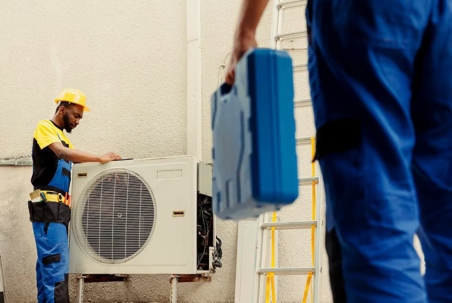
If your AC seemed to work fine last summer, it can feel hard to justify a tune-up before Portland heats up again, especially when your energy bills are already higher than you would like. Maybe the system is a little louder, or the bedrooms never quite get as cool as the living room, but it still runs. Skipping maintenance can look like an easy way to save money in the short term.
The trouble is that AC problems usually do not show up all at once. Small issues build quietly inside the equipment and in your ductwork until the first stretch of hot weather, when your system has to work its hardest. That is when many Portland homeowners discover that what seemed “good enough” in May is not enough in July, and they are stuck hoping for a fast repair when everyone else is calling too.
At Wolcott, we have spent nearly 50 years helping Portland homeowners keep their homes comfortable through cool, damp springs, dry summer heat, and smoky days. We see the same pattern every year. Well-maintained systems start that first hot week without drama, while neglected systems struggle, use more energy, and fail more often. In this guide, we explain what regular AC tune-ups really involve, why they matter in Portland, and how they can protect both your comfort and your budget.
Why Portland Homes Benefit From Regular AC Tune-Ups
Portland’s climate is different from cities that run air conditioning almost nonstop for half the year. Here, your system often sits for long stretches during our cooler months, then has to ramp up quickly when a heat wave rolls through. That stop and start pattern is tough on moving parts, lubricants, and electrical components. Seals dry out, dust settles on coils, and then the equipment is asked to work at full load on the first 90 degree day.
Moisture is another big factor. Our damp winters and springs mean outdoor units are exposed to rain and humidity for months. That moisture mixes with dirt, leaves, and pollen from Portland’s trees, so the condenser coil and fan area can build up grime more quickly than homeowners expect. Indoors, higher humidity encourages dust and debris to stick to evaporator coils, blower wheels, and inside duct surfaces. Over time, this buildup restricts airflow and insulates coils, which forces your system to work harder.
Many Portland homes also combine older construction with newer HVAC equipment. We see everything from vintage bungalows with retrofitted ducts to newer townhomes with compact systems and tight building envelopes. In older homes, ducts are often undersized, leaky, or partially blocked, which makes proper airflow checks during a tune-up especially important. In homes with heat pumps that handle both heating and cooling, the equipment runs more months of the year, so even “mild” summers add up to significant runtime.
After serving the Portland area since 1978, we have watched how AC systems hold up across hundreds of neighborhoods and countless weather cycles. The pattern is clear. Systems that receive regular tune-ups handle temperature swings, debris, and humidity much better than those that only get attention when something breaks. That is why we see tune-ups as essential maintenance, not an optional upgrade.
What Actually Happens During a Professional AC Tune-Up
Many homeowners hear the term “AC tune-up” and assume it only involves a quick inspection or replacing the air filter. In reality, a professional tune-up is a detailed maintenance service focused on cleaning, testing, and adjusting the components that most affect comfort, efficiency, and long-term reliability. Understanding what takes place during a tune-up can help you see how preventive service supports better cooling performance and reduces the likelihood of costly breakdowns.
- Coil inspection and cleaning: The indoor evaporator coil and outdoor condenser coil are checked for dirt, dust, pollen, and buildup that can reduce heat transfer and force the system to work harder.
- Refrigerant level evaluation: Pressures and operating conditions are reviewed to confirm the refrigerant charge is within a healthy range for proper cooling performance.
- Electrical connection checks: Wiring, terminals, and major electrical components are inspected and tightened to reduce resistance, overheating, and intermittent failures.
- Capacitor and contactor testing: Components that help motors start and run are tested to identify weakness before they cause hard starts or system shutdowns.
- Air filter inspection: The filter is checked for blockage or excessive dirt that could restrict airflow and lower efficiency.
- Blower system review: The blower wheel, housing, and indoor airflow are assessed to ensure conditioned air is moving properly throughout the home.
- Condensate drain cleaning: The drain line and pan are inspected and cleared to help prevent water leaks, backups, or moisture damage.
- Thermostat accuracy verification: Thermostat readings and control signals are tested to make sure the system cycles correctly and maintains the intended temperature.
- Overall performance testing: The system is run through normal cooling cycles so technicians can evaluate operation, listen for unusual noises, and confirm proper function.
- Clear findings and recommendations: Any concerns discovered during the tune-up are explained in straightforward terms, along with maintenance suggestions or repair options if needed.
A thorough tune-up is designed to do more than keep the system running today. It helps improve efficiency, supports reliable comfort, and identifies developing issues before they become larger repair problems.
How Tune-Ups Improve Comfort and Efficiency in Portland Homes
For many homeowners, comfort and monthly energy costs are the biggest reasons to schedule an AC tune-up. Regular maintenance has a direct impact on how efficiently your system cools the home and how hard it must work to maintain the desired temperature. When components are dirty, airflow is restricted, or controls are not operating properly, the air conditioner often runs longer, uses more electricity, and may still struggle to keep rooms consistently comfortable. A professional tune-up helps correct these issues so the system can perform more effectively.
- Cleaner coils for better heat transfer: Removing dirt and debris from evaporator and condenser coils allows the system to absorb and release heat more efficiently.
- Lower energy use: When the AC does not have to run as long to cool the home, it often consumes less electricity.
- Improved airflow: Checking filters, blower components, and ducts helps restore proper airflow throughout the system.
- More even room temperatures: Better airflow and system balance can reduce hot and cold spots between rooms.
- Reduced strain on components: A properly maintained system places less stress on the compressor, fan motor, and other major parts.
- Faster cooling performance: Clean and optimized equipment can often reach the thermostat setting more quickly.
- Thermostat accuracy checks: Calibrating controls ensures the system cycles based on accurate temperature readings.
- Prevention of short cycling: Addressing control or airflow problems can reduce frequent on-and-off operation that wastes energy.
- Quieter operation: Tightened hardware, cleaned components, and balanced airflow often help the system run more quietly.
- More predictable operating costs: Routine tune-ups can help reduce unexpected inefficiencies that cause rising utility bills.
A well-maintained air conditioning system typically performs more efficiently and delivers better day-to-day comfort than one that has been neglected. While exact savings vary by home and equipment condition, many homeowners notice quicker cooling, steadier temperatures, and smoother operation after professional maintenance.
Preventing Breakdowns and Extending AC System Life
Many air conditioning breakdowns do not happen without warning. In many cases, emergency repairs are the result of smaller issues that developed gradually over time and were never addressed. Routine tune-ups provide an opportunity to catch these developing problems early, helping reduce the chance of sudden failures during the hottest part of the year. Regular maintenance can also lessen wear on major components, improve reliability, and support a longer system lifespan.
- Early capacitor testing: Capacitors weaken with age and heat, often causing hard starts, delayed fan operation, or complete startup failure if ignored.
- Electrical connection inspections: Loose wires, worn terminals, or damaged contactors can create resistance, overheating, and intermittent system shutdowns.
- Reduced safety risks: Tightening and inspecting electrical components helps lower the chance of heat-related failures or hazardous conditions.
- Refrigerant performance checks: Low refrigerant levels or slow leaks can reduce efficiency, increase runtime, and strain the compressor.
- Compressor protection: Identifying refrigerant or airflow issues early helps prevent excessive wear on one of the system’s most expensive components.
- Condensate drain cleaning: Clearing the drain line helps prevent clogs that can lead to water leaks, overflow, or damage to walls and ceilings.
- Fan and motor evaluations: Inspecting motors and moving parts can reveal wear before it leads to breakdowns or loss of airflow.
- Less emergency repair risk: Systems that receive regular tune-ups are less likely to experience unexpected failures during peak demand.
- Longer equipment lifespan: Reducing strain on key components can help the system operate dependably for more years.
- Improved peace of mind: Routine maintenance provides confidence that the system is better prepared for heavy seasonal use.
While no maintenance plan can prevent every possible issue, regular tune-ups are one of the most effective ways to reduce breakdown risks and extend the life of your air conditioning system. Catching problems early often means smaller repairs, lower costs, and more dependable comfort when you need it most.
Signs Your AC Is Overdue for a Tune-Up
Many homeowners wait until their air conditioner stops working completely before scheduling service, but cooling systems often show warning signs well before a breakdown occurs. Recognizing these early indicators can help you arrange a tune-up at a convenient time, improve efficiency, and avoid more expensive emergency repairs. Routine maintenance can also restore comfort, reduce strain on the system, and extend the lifespan of your equipment.
- Higher energy bills: A sudden increase in cooling costs compared to previous seasons may mean the system is working harder than necessary.
- Uneven cooling: If some rooms stay warmer than others, the issue could involve airflow restrictions, duct problems, or reduced system performance.
- Constant running cycles: An AC that runs nearly nonstop on mild warm days may be struggling to keep up due to maintenance-related issues.
- Weak airflow: Reduced airflow from vents can indicate clogged filters, dirty coils, blower issues, or duct obstructions.
- Unusual noises: Rattling, buzzing, grinding, or louder-than-normal fan sounds can signal loose parts, worn components, or debris in the unit.
- Musty odors: Damp or musty smells when the system starts may point to moisture buildup near the indoor coil or drain pan.
- Moisture or leaks: Water around the indoor unit, staining near the air handler, or persistent dampness near the condensate drain should be addressed promptly.
- Ice buildup: Frost or ice on refrigerant lines or coils can indicate airflow problems or refrigerant imbalances.
- Reduced comfort levels: If your home no longer feels as cool or comfortable as it once did, the system may need cleaning, adjustments, or repairs.
- Frequent cycling: Repeated starting and stopping can place unnecessary wear on components and often signals a need for inspection.
If you notice these warning signs while your AC is still operating, a tune-up is often the best first step. During a professional maintenance visit, technicians can determine whether the issue is related to routine upkeep or if repairs are needed, helping you make informed decisions before a complete system failure occurs.
When to Schedule AC Tune-Ups in Portland
The best time for a tune-up is before you really need your AC. For most Portland homes with central air or heat pumps, an annual tune-up in the spring works well. The weather is starting to warm up, the system is about to see more use, and schedules are usually more flexible than they are in the middle of a heat wave. This timing lets us find and fix issues under calmer conditions.
Portland’s variable weather can make it tempting to put off maintenance. A cool June might lull you into thinking you do not need the AC much, only for a hot spell to arrive in July or August. When that first extended warm period hits, HVAC companies across the city see a surge in calls, and appointment slots fill quickly. Scheduling a tune-up earlier in the season helps you avoid being in that rush, and it gives you more options for appointment times that fit your day.
Some systems benefit from more attention. Heat pumps that provide both heating and cooling work harder across the year, so an annual tune-up is especially important. Older systems that are nearing the end of their expected life may also warrant closer monitoring, both to keep them running safely and to plan for eventual replacement rather than waiting for a complete failure. Homes near heavy tree cover or areas that see more wildfire smoke may need filters and coils checked more frequently due to debris buildup.
We generally recommend at least one comprehensive tune-up per year for most Portland homes, tailored to how you use your system and where you live. At Wolcott, we work with you to choose timing that makes sense and aim for prompt scheduling, including same-day service when available, so you can check maintenance off your list before the season gets busy.
What To Expect From an AC Tune-Up Visit With Wolcott
Knowing what will happen during a service visit takes a lot of the stress out of scheduling it. When you book an AC tune-up with Wolcott, you can expect clear communication from the first call. We provide an arrival window, confirm your appointment, and make sure we understand any concerns you already have, such as certain rooms that do not cool well or noises you have noticed.
When our technician arrives, they treat your home with the same care they would their own. That includes things like wearing shoe covers, respecting your property, and keeping work areas tidy. Before starting, they briefly walk you through what the tune-up includes and confirm the upfront pricing, so you know exactly what will be done and what it will cost. There is no guesswork and no hidden fees.
The tune-up itself follows a detailed checklist that covers inspection, cleaning, testing, and adjustments. The technician checks and cleans coils where accessible, tests electrical components, tightens connections, verifies refrigerant operating conditions, inspects the blower assembly, clears the condensate drain, and confirms proper thermostat and control operation. If they see something unusual, they may ask a few questions about how the system has been behaving to help pinpoint the cause.
Once the work is complete, the technician reviews their findings with you in everyday language. If everything looks good, they let you know and may offer simple tips on filter changes or thermostat settings to get the best performance. If they find issues that go beyond routine maintenance, they explain the options clearly, including repair choices and estimated costs, before you make any decisions. This straightforward approach reflects our commitment to transparent communication and strong work ethics.
Our goal is that you finish the visit feeling informed, not pressured. Many of our Portland customers schedule tune-ups year after year because they appreciate this level of clarity and consistency, and families often pass our name down to the next generation for that reason.
How Regular Tune-Ups Protect Your Budget Over Time
From a budget standpoint, regular tune-ups are about trading surprise costs for planned ones. An annual service visit has a known price that you can plan for. Emergency repairs and premature replacements almost never show up at a convenient time, and they often cost much more than years of maintenance would have. Looking at your AC as a long-term investment makes the value of tune-ups clearer.
Consider a typical scenario. A Portland homeowner skips maintenance for several years. Over time, dirt builds up on the coils, a capacitor weakens, and the condensate drain slowly clogs. The system still runs, but it uses more energy and struggles on hot days. Eventually, the capacitor fails on a weekend during a heat wave. Now the homeowner faces an urgent service call, potentially higher after-hours rates, and possibly additional damage from the stressed motor. Comparing that outcome to the cost of annual tune-ups that could have caught those issues earlier shows how preventive care can be easier on your wallet.
Energy use follows a similar pattern. Even modest efficiency losses from dirty coils or poor airflow can add up over a season. While we cannot promise a specific dollar amount because every home and system is different, keeping components clean and properly adjusted makes it more likely that your AC operates close to its designed efficiency. Over the life of the system, that reduced waste can offset a meaningful share of what you spend on tune-ups.
Regular maintenance also gives you a clearer picture of where your system stands. When the same trusted provider sees your equipment year after year, they can spot trends, such as a motor that is drawing more current than before or refrigerant readings that slowly change. That insight helps you plan for larger repairs or eventual replacement instead of being forced into a quick, expensive decision when the system fails outright. At Wolcott, we can discuss repair versus replacement options with you well before crisis mode, and if a larger project is needed, flexible financing options can make it easier to manage the cost.
Over decades of working with Portland families and businesses, we have seen that homeowners who treat tune-ups as a routine part of home care usually face fewer unpleasant surprises and get more years of service from their equipment. Combined with our family-owned, community-rooted approach, our goal is to help you make decisions that protect both your comfort and your budget in the long run.
Keep Your Portland Home Comfortable With Regular AC Tune-Ups
Regular AC tune-ups are one of the simplest ways to keep your Portland home comfortable, reduce wasted energy, and avoid many common breakdowns. The benefits come from real work on real components, from cleaning coils and clearing drains to testing electrical parts and confirming safe, efficient operation. Over time, that care helps your system handle our damp springs, hot spells, and everything in between with fewer surprises.
If you are unsure whether your AC is due for a tune-up, or you have noticed signs that it is working harder than it used to, we are ready to help. The team at Wolcott brings nearly 50 years of HVAC experience in Portland, upfront pricing, and courteous technicians who take the time to explain your options. Scheduling a tune-up now can put you ahead of the next warm stretch and give you confidence that your system is ready.
Call (971) 253-7883 to schedule your AC tune-up or ask our team what makes the most sense for your Portland home.