
Summer heat in Portland used to feel like a rare event, but lately more of us are running the air conditioner longer and more often. That extra run time keeps your home or business comfortable, yet it can also bring higher power bills and worries about the impact on the environment. If you care about both comfort and your carbon footprint, how you maintain and operate your AC matters more than ever.
Portland’s eco-conscious homeowners and business owners are already thinking about energy use in many parts of life, from transportation to lighting to insulation. Air conditioning is another big piece of that puzzle, especially as heat waves become more common. The encouraging part is that you rarely need a full system overhaul to start cooling in a greener way. Small, consistent maintenance choices can cut waste, improve comfort, and extend the life of the system you already have.
At Wolcott, we have been helping Portland-area homes and businesses stay comfortable since 1978, through decades of changing weather and technology. Over that time, we have seen how two similar AC systems can perform very differently simply because of how they are maintained and used. In this guide, we share the eco-friendly AC maintenance steps that actually make a difference in Portland and explain in plain language why they work.
How Portland’s Climate Shapes Eco-Friendly AC Maintenance
Many national AC tips are written for places where systems run almost nonstop for months. Portland is different. Our climate has historically been mild, with only a few truly hot stretches each year, so many homes were not designed around heavy cooling loads. Recently, longer and more intense heat waves have pushed AC systems harder, but they are often sized, installed, and ducted for only occasional use. That mismatch creates unique efficiency challenges and opportunities.
In older Portland neighborhoods, you often find a mix of original construction and later add-ons. Some homes rely on retrofitted ductwork or ductless systems, and small businesses may have rooftop units serving spaces that were not originally planned for air conditioning. When heat waves hit, these systems can run longer than they were ever expected to, which magnifies any existing inefficiencies. A small air leak or dirty coil that hardly mattered years ago can suddenly show up on your power bill and in your comfort.
Our team at Wolcott has watched these patterns develop over nearly 50 years of HVAC work in Portland and nearby communities. We see how local conditions, such as tree pollen in spring, wet winters, and vegetation crowding outdoor units, all affect how efficiently AC systems operate once the first hot stretch arrives. Eco-friendly AC maintenance here is about preparing a system that may sit idle much of the year to perform cleanly and efficiently during the weeks when you really need it.
Simple Daily Habits That Make Your AC More Eco-Friendly
Making your air conditioner more eco-friendly often starts with simple daily habits rather than expensive upgrades. The way you set your thermostat, manage indoor heat, and support airflow can have a major impact on how much energy your system uses. Small adjustments made consistently can reduce unnecessary runtime, lower utility costs, and place less strain on your equipment while still keeping your home comfortable.
- Use realistic thermostat settings: Choose a steady, moderate temperature instead of setting the thermostat extremely low when you feel warm.
- Raise the setpoint when possible: Even a small increase in temperature can reduce how long the AC needs to run.
- Avoid drastic temperature swings: Large adjustments from very warm to very cold often cause long, energy-intensive cooling cycles.
- Use programmable schedules: Set the temperature slightly higher when you are away and cooler before you return home.
- Take advantage of smart thermostats: Automated schedules and learning features can help optimize comfort and efficiency.
- Close blinds or curtains during peak sun: Blocking sunlight on south- and west-facing windows reduces indoor heat gain.
- Use ceiling or portable fans: Moving air helps rooms feel cooler, allowing you to stay comfortable at a higher thermostat setting.
- Keep interior airflow open: Leaving key doors open can help conditioned air circulate more evenly throughout the home.
- Reduce hot spots naturally: Use shading, fans, and airflow improvements before lowering the thermostat further.
- Stay consistent with settings: Stable indoor temperatures are often more efficient than constantly changing the thermostat.
Thoughtful daily habits can make a noticeable difference in both comfort and energy use without requiring new equipment. Over time, these small changes can help lower your environmental impact, reduce cooling costs, and support a longer lifespan for your air conditioning system.
Eco-Friendly Filter & Coil Care for Cleaner Air and Lower Bills
Your AC system breathes through its filter and moves heat through its coils. When either becomes dirty, the system has to work harder to do the same job. A clogged filter restricts airflow, which means the blower motor pushes against more resistance and draws more power. Dirty evaporator and condenser coils are coated in a layer of dust and grime that acts like insulation and blocks heat transfer. The result is longer run times, higher energy use, and more wear on critical parts.
In Portland, filters tend to load up with tree pollen, pet dander, and normal household dust. Many eco-conscious homeowners choose high MERV filters for better indoor air quality, but not every system is designed to handle the added restriction. If the filter is too restrictive or not changed often enough, airflow drops. That can cause the coil to get too cold, reduce efficiency, and even lead to icing in some situations. Balancing air quality and airflow is key to eco-friendly operation.
A practical approach is to select a filter that provides good filtration without exceeding what your system’s blower can comfortably handle, then replace it on a consistent schedule. For many Portland homes, that might be every one to three months during the cooling season, depending on pets, pollen, and usage. Homeowners can safely change filters themselves and perform a basic visual check of the indoor unit, watching for signs of dust buildup or unusual sounds that may signal airflow problems.
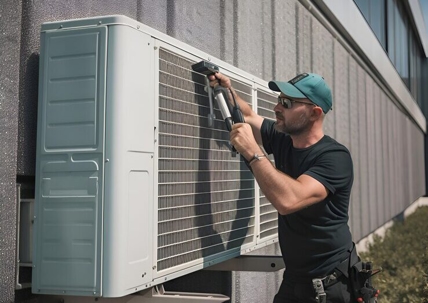
Coil cleaning is more technical. The indoor evaporator coil sits in the airstream and may collect fine dust that passes through the filter, especially if filters are overdue. The outdoor condenser coil is exposed to lint, leaves, and airborne debris. When these coils are dirty, the system must run longer to move the same amount of heat, which quietly increases your energy consumption. Our technicians at Wolcott check coil condition as part of maintenance visits, clean them with appropriate methods, and talk through filter choices so you get both clean air and efficient airflow.
Why Duct Sealing & Airflow Tuning Matter So Much in Portland Homes
In many Portland houses and small commercial spaces, ducts are hidden in attics, crawlspaces, or soffits that were never carefully sealed or insulated. When those ducts leak, cooled air escapes into areas that do not need conditioning, so the system has to run longer to deliver enough cool air to the rooms you use. That wasted cooling shows up as higher energy use without any comfort benefit, which is the opposite of eco-friendly performance.
Duct leakage is often invisible to homeowners. You may only notice certain rooms that never quite cool down or vents that feel weak compared to others. From a system perspective, every hole, gap, and unsealed connection acts like a tiny escape path for conditioned air. Even small leaks along a long duct run can add up, especially if those ducts pass through a hot attic during a Portland heat wave. Proper sealing helps ensure the air your system pays to cool actually reaches your living or working spaces.
Airflow tuning inside the home also makes a difference. Closed or blocked supply registers and return grilles throw off the designed balance of air moving through the system. Heavy furniture over vents, closed doors in key rooms, or closed registers in unused spaces can all increase resistance and make the blower work harder. The system may become noisier and less efficient, and certain areas may become uncomfortable enough to make you lower the thermostat, which compounds the waste.
As part of efficiency-focused service calls, our technicians often find and address these issues in Portland homes and businesses. That can include sealing obvious duct gaps, recommending insulation improvements around vulnerable runs, and suggesting simple layout changes such as unblocking vents and adjusting dampers. Fine-tuning airflow reduces how long your AC needs to run to achieve even comfort, which cuts energy use and supports a more sustainable cooling strategy.
Smart Thermostats & Controls That Support Greener Cooling
Controls are the brain of your cooling system. A simple mechanical thermostat switches the AC on and off based on a single temperature threshold. Programmable and smart thermostats go further by following schedules or reacting to occupancy patterns. When used well, these controls help you avoid cooling an empty house or office, which is one of the most common sources of wasted energy.
A programmable thermostat lets you set different temperatures for different times of day. In a typical Portland home, that might mean a higher setpoint during work hours, a comfortable setting for evenings, and another slight increase during overnight hours if you sleep well a bit warmer. Smart thermostats can also learn your patterns or use your phone’s location to adjust automatically. The key eco-friendly benefit is that you are only using as much cooling as you actually need when you are there to enjoy it.
From a technical standpoint, frequent short cycles are inefficient because each start-up draws a burst of power and the system needs time to reach its most efficient operating state. Well-programmed thermostats reduce unnecessary on-off cycling and avoid large temperature swings that demand long, energy-intensive runtimes. Instead, they maintain a narrower, more efficient range. That approach matches Portland’s climate well, since we usually do not need to fight extreme, all-day heat like hotter regions.
Because Wolcott handles both HVAC and electrical work, we are comfortable helping customers choose and install control upgrades that suit their existing systems. We also see many homes where a programmable thermostat is already on the wall but has never been set up properly. A quick review of your schedule and some thoughtful programming can turn that unused feature into a practical, eco-friendly tool that trims energy use without reducing comfort.
When a Professional Eco-Friendly AC Tune-Up Makes the Biggest Difference
There is a limit to what you can see and adjust on your own. A professional tune-up focuses on the parts of your AC that have the biggest impact on efficiency and reliability, many of which are hidden inside the equipment. During a tune-up, a technician checks electrical connections and components, confirms that the blower is operating correctly, inspects and cleans coils, and verifies that refrigerant levels are within the manufacturer’s recommended range.
Refrigerant charge is a good example of a factor that affects both eco-friendliness and system health. If the charge is too low or too high, the system cannot move heat as efficiently, so it runs longer to reach the same temperature. The compressor may also run under more strain, which can shorten its life and increase the risk of early failure. You cannot reliably check or adjust refrigerant charge without proper tools and training, and in many cases it is not legal for unlicensed individuals to handle refrigerant.
Electrical issues also hide inside an apparently working system. Weak capacitors, loose connections, or aging contactors can cause the system to draw more current than necessary or struggle to start. Even if the system still cools, it may be consuming more electricity than it should and be at higher risk of a mid-season breakdown. Cleaning blower components and checking airflow readings help ensure the system is moving air efficiently and not fighting avoidable resistance.
We often hear from Portland customers who notice rooms taking longer to cool, higher bills, or new noises but assume they must run the AC harder and longer to keep up with the heat. A tune-up from Wolcott can uncover and correct some of the root causes of that wasted energy. With nearly 50 years of local experience, same-day service when available, and upfront pricing, scheduling a thorough maintenance visit is a straightforward step toward a more eco-friendly system.
Partner With a Portland Team That Knows Eco-Friendly AC Maintenance
Eco-friendly AC maintenance in Portland is not about a single gadget or one-time fix. It is the combination of smarter daily habits, clean filters and coils, sound ductwork, thoughtful controls, and timely professional tune-ups, all tailored to our changing but still relatively mild climate. When these pieces work together, your system can keep your space comfortable while using less energy and placing less strain on the grid and the environment.
You can take many of the steps in this guide on your own, such as checking filters, clearing debris around the outdoor unit, and dialing in thermostat schedules that match your life. When you are ready for deeper efficiency improvements or want a trained eye on your system, the team at Wolcott is ready to help. As a family-owned company with nearly 50 years of service in Portland and nearby communities, we combine honest communication, upfront pricing, and skilled HVAC, plumbing, and electrical work to keep your home or business comfortable and efficient.
Call (971) 253-7883 today to schedule eco-focused AC maintenance or an efficiency check for your Portland property.