
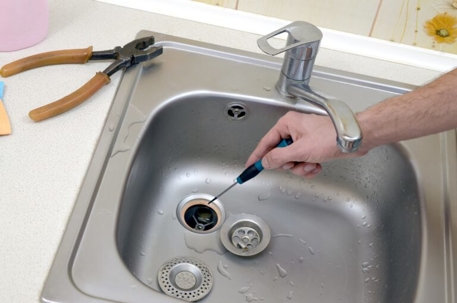
On a rainy Portland morning, you notice the shower draining slower, a gurgle in the kitchen sink, and a musty smell from the basement. You start wondering if it is just another small clog that a bottle of drain cleaner will fix or the start of a bigger drainage problem that could get expensive. That quiet debate in your head, try another DIY trick or call someone, is exactly where many Portland homeowners find themselves every wet season.
Drainage issues can feel like a game of whack-a-mole. One day the bathroom sink is slow, the next day water is pooling near a downspout, and by the weekend you are running a fan in a damp basement corner. In a climate like ours, it is hard to tell what is normal for an older Portland home and what is a warning sign that should not be ignored. You want to be smart with your budget without taking chances on your home’s structure or your family’s health.
At Wolcott, we have been working on plumbing and drainage problems in Portland and nearby communities since 1978. Over nearly 50 years, we have watched how our long rainy seasons, older sewer lines, and changing neighborhoods affect the way water moves in and around local homes. In this guide, we share where DIY fixes usually make sense, where they often backfire, and what a professional service call really adds, so you can decide your next step with confidence.
Why Portland Homes See So Many Drainage Problems
Portland’s weather puts every home’s drainage to the test. We see long stretches of wet months where storms roll through again and again, and the ground never fully dries out. When soil stays saturated, it cannot absorb water as easily, so more runoff heads toward foundation walls, crawlspaces, and any low spots in the yard. All that water keeps gutters, downspouts, yard drains, and underground pipes working overtime.
The age and construction of many Portland homes add another layer. A lot of houses in established neighborhoods rely on older clay or cast iron sewer lines. These materials can crack, shift, or separate at joints over time. Tree roots, which thrive in our climate, find those tiny openings and grow into the pipes in search of water and nutrients. From the homeowner’s perspective, that root intrusion just looks like a clog that keeps coming back, but underneath, the pipe itself may be partially blocked or starting to fail.
Yard layout and tight urban lots also influence drainage. On smaller Portland lots, neighboring trees, shared side sewers, limited yard space, and older grading work together in ways that were not designed for modern water management. Downspouts may discharge too close to the foundation, or old concrete walkways might direct water toward, not away from, the house. After decades of service calls in these conditions, our team at Wolcott has seen the same patterns repeat, such as standing water near the foundation, damp basements during storms, and multiple fixtures acting up when the main line is overwhelmed.
When you understand that your drainage system is constantly dealing with heavy rain, saturated soil, and aging infrastructure, it makes sense why problems can show up out of nowhere. It also explains why some issues are manageable with simple maintenance, while others reflect deeper stress on the system that DIY fixes will not solve for long.
Common Portland Drainage Problems Homeowners Try to Fix Themselves
Safe DIY Steps for Minor Drainage Issues
There are a few safe, low-risk steps homeowners can take when dealing with minor drainage issues, especially when the problem is clearly near a fixture and not deep within the plumbing system. Simple maintenance and careful cleaning often resolve small clogs caused by everyday buildup like hair, soap, grease, or food particles. The key is to focus on accessible areas and avoid anything that could damage pipes or push the blockage further down the line.
- Clean sink and shower strainers regularly: Removing hair, soap residue, and debris from drain covers helps prevent buildup before it becomes a clog.
- Remove and clean sink stoppers when needed: Many bathroom sink stoppers can be taken out to clear trapped material underneath.
- Clear the P-trap carefully: With a bucket and towel in place, the U-shaped pipe under the sink can be removed and cleaned if you are comfortable using basic tools.
- Use a small hand snake for showers and tubs: A plastic drain snake can help pull out hair clumps near the drain opening without stressing the pipe.
- Scrape dishes before washing: Keeping food waste out of the kitchen sink reduces grease and particle buildup over time.
- Use sink strainers in the kitchen: Strainers help catch food debris before it enters the drain system.
- Flush with warm water periodically: Running hot (not boiling) water can help reduce light grease buildup in kitchen drains.
- Clean gutters and downspouts: Keeping these clear ensures rainwater flows properly away from the home.
- Check downspout discharge areas: Make sure outlets are not buried in mud, leaves, or debris that could block drainage.
- Keep yard drain grates clear: Removing leaves and surface debris helps restore normal outdoor drainage flow.
While these steps are effective for minor, accessible issues, there are important limits to DIY drain care. Chemical drain cleaners can damage older pipes over time, and aggressive use of powered snakes can crack brittle or root-damaged lines. If a clog is not visible, requires force to clear, or keeps returning, it may indicate a deeper problem that needs professional evaluation. In those cases, it is safer to stop and have the system inspected before more serious damage occurs.
Red-Flag Signs Your Portland Drainage Problem Needs a Professional
Some drainage problems go beyond what a homeowner can safely or effectively handle with basic tools. While minor clogs often stay localized to a single fixture, more serious issues tend to show patterns that affect multiple areas of the home or worsen under certain conditions. Recognizing these warning signs early can help prevent property damage, health risks, and more expensive repairs down the line.
- Multiple fixtures acting up at once: Toilets, sinks, and tubs showing simultaneous issues often point to a main sewer line or venting problem.
- Gurgling when using plumbing: Bubbling sounds in tubs or showers when a toilet flushes can indicate air trapped in the system due to blockage or vent issues.
- Backups in lower-level drains: Water returning through basement floor drains or lower tubs is a strong sign of a deeper system obstruction.
- Problems worsening during rain: Drainage issues that intensify during or after storms may be linked to groundwater intrusion or overwhelmed sewer lines.
- Storm-related sewer strain: Heavy rain can overload older infrastructure, especially where pipes already have root intrusion or aging materials.
- Recurring basement moisture: Standing water, damp walls, or crawlspace moisture that returns seasonally suggests ongoing drainage or grading issues.
- Musty or persistent odors: Repeating sewer or mildew smells can indicate hidden leaks, poor drainage, or sewer gas escaping into the home.
- Frequent clogs in the same location: Repeated blockages often signal deeper issues like root intrusion, pipe collapse, or internal buildup that keeps returning.
- Sewage odors near cleanouts or outdoors: Strong sewer smells or visible sewage are serious warning signs that require immediate attention.
- Visible sewage backups: Any sign of wastewater entering the home is an urgent issue with potential health and property risks.
When these symptoms appear, the issue is typically beyond a simple DIY fix and requires professional inspection to identify the underlying cause. Problems involving main sewer lines, structural pipe damage, or widespread drainage failure can escalate quickly if left untreated. In these situations, prompt professional service is the safest way to protect your home and limit further damage.
DIY vs Professional: Comparing Costs, Risks, and Results
Deciding between DIY and professional help usually comes down to three things: cost, risk, and the likelihood that the fix will last. With a minor, visible clog, the cost of your time, a basic tool, and maybe a new trap washer is low, and the risk to your home and plumbing is also low if you work carefully. In these scenarios, a DIY approach is often the most reasonable first step, and in many homes the problem stays solved for a while.
Things change when you are dealing with recurring issues or symptoms that suggest a main line problem. Repeatedly buying chemicals or re-renting equipment to address the same clog at the same fixture can add up in direct cost. More importantly, while you are treating symptoms, the underlying cause, for example roots pushing into a joint or a sagging section of pipe that collects waste, continues to worsen. Over time that can lead to full blockages, pipe breaks, or sewage backups, which bring higher repair and cleanup costs.
There is also the risk of unintended damage with certain DIY methods. For example, forcing a large, powered snake through brittle, decades-old clay or cast iron lines can crack or break the pipe walls, especially where roots have already weakened them. Chemical cleaners can accelerate wear inside the pipe and damage finishes in fixtures if spills occur. Once a line is cracked or collapsed, the project often shifts from clearing a blockage to replacing a section of pipe, which is a different level of investment.
Professional service has a different cost profile, but it also provides tools and insight that DIY cannot. At Wolcott, we often start with questions and simple checks, then decide if advanced tools such as a drain camera or locating equipment are appropriate. A camera inspection lets us see the inside of the line, identify where roots, breaks, or sags are, and determine if the issue is localized or part of a broader problem. That level of information allows us to recommend targeted work instead of guesswork.
Upfront pricing is an important part of this decision. We let homeowners know what to expect before work begins, so they can compare a one-time, clearly scoped professional fix against repeated short-term DIY attempts. For larger solutions, such as replacing a failed section of line or improving exterior drainage, flexible financing options can make it easier to tackle the real problem instead of postponing it until an pipe forces the issue. In many Portland homes, calling earlier, when the first red flags appear, leads to smaller, more manageable projects rather than large-scale remediation later.
What Wolcott Does During a Drainage Service Call
Many homeowners hesitate to call a plumber because they do not know what will actually happen during a visit. A typical drainage service call with Wolcott starts with a detailed conversation. Our technicians ask about when the problem occurs, which fixtures are affected, how long it has been happening, and whether it changes during heavy rain. We also consider the age and layout of your home, since older Portland properties tend to have recurring types of issues.
Once on site, the technician performs a visual inspection and simple tests first. Inside, this might include running water at different fixtures, flushing toilets while watching lower-level drains, and checking accessible piping and traps for leaks or signs of previous repairs. Outside, it can involve looking at gutter conditions, downspout locations, and any visible yard drains or cleanouts. These steps help distinguish isolated fixture problems from broader system or exterior drainage issues.
If the symptoms point toward a deeper problem, we may recommend using equipment such as a drain camera to look inside the line. With a camera, we can see root intrusions, cracks, sags, debris buildup, and other defects that are invisible from the surface. Sometimes the best next step is a professional-grade cleaning to remove roots or heavy buildup. In other cases, the inspection suggests that a section of pipe is failing and needs repair or replacement. The key is that we base our recommendations on what we see in your system, not on guesswork.
Throughout the visit, our technicians explain what they are finding in everyday language and outline your options clearly. They provide upfront pricing before any major work starts, so you are not surprised by the bill. Because Wolcott is family-owned and has been in Portland for nearly 50 years, our team knows that long-term trust matters more than any one job. We aim for straightforward solutions that match the actual severity of the problem, whether that means a simple cleaning, a monitored watch-and-wait approach, or a more extensive repair.
When the work is done, we take care to treat your property as our own. That means protecting floors, cleaning up the work area, and making sure you understand what was done and any preventive steps you can take. For some homes, that might include suggestions about downspout changes, regular maintenance intervals, or future upgrades that could reduce the chance of repeat Portland drainage problems.
How to Decide Your Next Step for a Drainage Problem in Portland
By this point, you can probably place your own situation in one of two broad categories. If you are dealing with an isolated slow sink or shower, where you can see obvious buildup and no other fixtures are affected, a careful DIY attempt using basic tools may be all you need. After cleaning the trap or removing debris, keep an eye on that fixture. If it returns to normal and stays that way, you likely caught a small problem at the surface before it had a chance to grow.
On the other hand, if you are seeing repeated clogs in the same place, gurgling or backing up in lower-level fixtures, sewage smells, or water showing up in your basement or crawlspace, especially during or after storms, those are strong signs the issue sits deeper in the system. Trying to force these problems away with stronger chemicals or more aggressive equipment can increase your risk without addressing the real cause. In these cases, having someone who understands Portland’s drainage and plumbing patterns look at the whole picture is usually the safer path.
It can help to jot down a few details before you call, such as when the problem started, how often it occurs, whether weather seems to affect it, and exactly which fixtures are involved. That information gives a technician a head start in narrowing down likely causes. From there, a focused inspection and clear explanation of your options lets you decide how and when to proceed, instead of guessing in the dark or hoping the problem will disappear on its own.
For generations, families and businesses in Portland have turned to Wolcott for honest advice, not just quick fixes. Our community-rooted approach means we look beyond the immediate symptom to how your home will perform through many more rainy seasons. If your drainage problem feels like it sits on the line between DIY and something more, or if the red-flag signs we described sound familiar, reaching out for a professional assessment can bring peace of mind as well as practical solutions.
Talk Through Your Portland Drainage Problem With Wolcott
Portland drainage problems are not just random headaches. They are the result of heavy rain, saturated soils, and aging systems all working on your home over time. Once you understand which issues are simple maintenance and which point to deeper trouble, you can make smarter choices about when to roll up your sleeves and when to bring in a team that works with these problems every day.
If your drains only act up now and then and the fix is clearly within reach, a cautious DIY step may be all you need. If you are seeing recurring clogs, sewage signs, or water where it should never be, talking with an experienced plumbing team can help you stop guessing and start planning. At Wolcott, we offer upfront pricing, clear communication, and nearly 50 years of local experience to help you choose the right path for your home and budget. Call us to discuss what you are seeing and to schedule a visit when you are ready.