
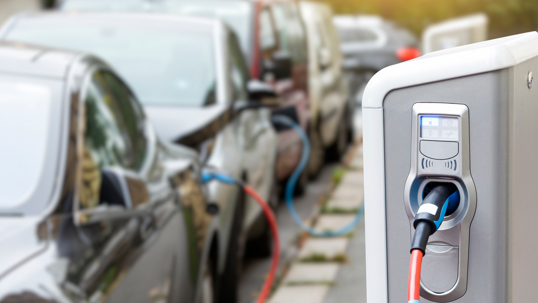
You might be excited about the idea of an electric vehicle in your driveway and a little nervous about what it takes to make your Portland home ready for it. Maybe you have seen friends plug in at home and you are wondering if your panel can handle the extra load, or if you are about to open the door to a major electrical project. That mix of enthusiasm and uncertainty is very common.
For many homeowners, the real questions are practical. Will your current electrical service support an EV charger, or will breakers start tripping the first week? Is it smarter to wait until you buy the car, or to build EV capacity into other work you are already planning, like a panel upgrade, heat pump, or remodel? Getting clear answers now helps you avoid rushed decisions later when a new vehicle is already on order.
At Wolcott, we have been working on electrical, HVAC, and plumbing systems in Portland-area homes for nearly 50 years. Over that time we have watched EVs move from a rare sight to a regular part of our conversations with homeowners. We have seen how a little planning during a panel replacement or remodel can make adding one or two EVs later much simpler and more affordable. In this guide, we will share how we think about EV home future-proofing so you can make smart, long-term choices for your own home.
Why EV Home Future-Proofing Matters In Portland Homes
EV ownership is growing in and around Portland, and that trend shows up directly in the questions we hear on service calls. Homeowners who are replacing furnaces with heat pumps or upgrading panels want to know if they should make those projects EV ready at the same time. Others are still driving gas vehicles but can see that an EV is likely on the horizon in the next few years and want to avoid tearing things open twice.
Many Portland homes, especially older ones, still have 100 amp service or legacy panels with limited space. Those systems were never designed with modern electrical loads in mind, let alone a couple of EVs charging nightly. Even if your home has a newer panel, it might already be supporting an electric range, dryer, air conditioning, or a heat pump. Each additional large electrical load reduces the room you have to add an EV circuit without some level of upgrade.
Future-proofing is not just about one car. Across the city, we see more homeowners shifting from gas to electric in several areas of the home, often in steps. A gas furnace becomes a heat pump, a gas water heater becomes electric, a gas cooktop is replaced with induction. Each move can make sense on its own, but together they add up. When we plan EV capacity along with these changes, we can often design a cleaner, more efficient electrical layout that supports where you are headed, not just where you are today.
Because we work across electrical, HVAC, and plumbing, we see these patterns play out over years, not just a single project. That long view allows us to suggest when it is worth investing in a larger panel or extra conduit now, and when a more modest upgrade will serve you well for the foreseeable future.
What EV Charging Really Demands From Your Electrical System
Planning for an EV charger at home starts with understanding how much demand it places on your electrical system. EV charging isn’t just about plugging in a vehicle—it’s about how that load interacts with your panel capacity, existing appliances, and available circuits. Home charging typically falls into two levels, and each has very different power requirements that determine whether your current setup is sufficient or needs an upgrade.
- Level 1 charging basics: Uses a standard 120-volt household outlet on a 15–20 amp circuit and provides slow, steady charging suitable for light daily driving needs.
- Level 2 charging basics: Uses a 240-volt dedicated circuit, typically 30–50 amps, and can fully recharge most EVs overnight for faster, more flexible charging.
- Power demand differences: Level 2 chargers draw significantly more electricity, similar to major appliances like electric dryers or central air conditioning systems.
- Dedicated circuit requirement: EV chargers generally need their own breaker and properly sized wiring to safely handle continuous electrical load.
- Electrical panel capacity limits: Your home’s main panel has a total amperage limit that determines how many large appliances can run simultaneously.
- Load balancing considerations: Adding an EV charger means evaluating how it will interact with other high-demand systems like HVAC, ovens, and water heaters.
- Future expansion planning: Ensuring spare capacity in the panel now helps avoid costly upgrades later if additional electrical needs are added.
- Real-world analogy: Electrical capacity can be thought of like limited “seats” in a system, where each major appliance occupies a portion of that available space.
- Safety and compliance focus: Proper installation ensures the system does not overload, trip breakers, or create long-term electrical strain.
When evaluating EV charging readiness, electricians look beyond simply adding a new outlet. The goal is to ensure your home’s electrical system can safely support the additional load while still operating efficiently and reliably under everyday conditions.
Can Your Current Panel Handle An EV, Or Is An Upgrade Smarter?
This is often the first concrete question homeowners ask us. The honest answer is that some homes can add EV charging with a fairly simple circuit run, while others are already at or near their safe limits. The key is to know which group your home falls into before you assume anything about what is possible.
There are a few signs that your panel may be close to maxed out. If every breaker slot is filled and the panel cover looks crowded, there may be limited space for another dedicated EV circuit. If your home still uses fuses, or the panel looks significantly aged or corroded, that usually points toward a need for replacement before adding new high-demand loads. Repeated nuisance breaker trips when multiple appliances run at once can also be a clue that your system is straining under existing demand.
On the other hand, a home with a 200 amp service, relatively efficient appliances, and gas heat can often support a modest Level 2 charger or Level 1 charging without a full service upgrade. In some cases, we can find a way to add a new circuit for EV charging by carefully reviewing what is already connected and how heavily those circuits are typically used. In other situations, such as an all-electric home on a 100 amp service, the panel and service size may be the limiting factor that needs to be addressed first.
When we evaluate a home, we perform a load assessment. In simple terms, that means we look at what is currently on your system, what you plan to add, and how that compares to the capacity of your service and panel. We also consider how often those loads are likely to run at the same time. This is not something most homeowners can safely guess at based on a quick glance, and guessing wrong can lead to frequent breaker trips or unsafe overloading.
After that assessment, we can lay out your options clearly. Sometimes that is as straightforward as adding a new circuit for Level 1 or a modest Level 2 charger. Other times the conversation includes replacing or upsizing the panel or service as part of a broader plan. Because we use upfront pricing, you see exactly what each option involves before any work begins, which makes it easier to decide how far you want to go toward future-proofing right now.
Smart Ways To Future-Proof While You Upgrade Or Remodel
One of the most practical ways to prepare your home for an EV charger is to plan for it during upgrades or remodels you are already doing. When walls are open, panels are being replaced, or new electrical work is underway, it becomes significantly easier to add future-ready capacity and infrastructure at a lower cost than doing a separate upgrade later. Small planning decisions made during these projects can prevent major changes in the future when additional electrical demands are added.
- Upgrade during panel replacement: If you are already replacing your electrical panel, it is often the best time to consider a larger panel or increased service capacity.
- Plan for future electrical loads: Adding capacity now can help accommodate not only an EV charger but also future additions like heat pumps or other high-demand appliances.
- Install extra conduit during construction: Running conduit during renovations creates an accessible pathway for future EV wiring without reopening finished walls.
- Use accessible routes for wiring: Planning conduit paths while areas are open reduces the need for cutting into finished drywall, insulation, or landscaping later.
- Reduce future labor and repair costs: Pre-installed infrastructure minimizes the need for disruptive work once the home is fully completed.
- Reserve space in the electrical panel: Leaving room for future breakers allows easier expansion without requiring a full panel reconfiguration.
- Plan with multiple systems in mind: Coordinating EV charging needs with HVAC or water heating upgrades can streamline electrical design.
- Improve long-term serviceability: Thoughtful placement of equipment and wiring makes future maintenance and upgrades simpler and more efficient.
- Coordinate electrical and HVAC planning: Working across systems helps reduce duplicate work and improves overall efficiency in installation.
Thinking ahead during a remodel helps ensure your home is ready for future energy needs without unnecessary cost or disruption. By incorporating EV-ready features early, you create a more flexible electrical system that can adapt as your household’s demands grow over time.
Planning For Multiple EVs And Whole-Home Electrification
Many families start with one EV, then decide a few years later that the second vehicle should be electric too. If you have teenagers who will eventually drive, or multiple adults in the household, it is worth picturing what your driveway could look like in five or ten years. Planning for that possibility now does not mean you need to install two chargers today, but it might influence how we size your panel, your service, and your conduit runs.
Two EVs charging at higher speeds at the same time can represent a very significant electrical load. At the same time, you may also be considering a heat pump, an electric water heater, or an induction range. Each of these changes away from gas has benefits, but together they pull more from your electrical service. Looking at all these potential upgrades in isolation can create bottlenecks. Looking at them as part of a whole-home plan often leads to a cleaner, more efficient design.
There are also strategies to manage higher loads without overbuilding. Some homeowners choose one faster Level 2 charger and one slower option, depending on each vehicle’s typical use. Others use built-in load management features offered by certain charging setups or adjust charging times so EVs draw power at night when other major loads are idle. We can discuss these patterns with you so your electrical system and your lifestyle fit together comfortably.
Because Wolcott handles electrical, HVAC, and plumbing, we can sit down with you and talk through not just the EV you are buying this year, but also the heating, hot water, and other upgrades you are considering over the next several years. That way, we can size and configure your system so you are not forced into repeated, piecemeal electrical work every time you take another step toward a more efficient, electrified home.
Common Myths About EV Home Future-Proofing We Hear From Homeowners
Homeowners often come into EV planning with assumptions that can lead to either overbuilding their system or not preparing enough for future needs. Understanding what is actually required for safe, efficient home charging helps avoid unnecessary expense while still ensuring your electrical system is ready for real-world demand. Many of these misconceptions come from comparing EV charging to standard appliances, when in reality it involves a broader evaluation of your home’s electrical capacity and usage habits.
- Myth: Any home can add a high-powered EV charger without upgrades: In reality, your electrical panel and service size set strict limits on how much load can be safely added.
- Safety limitations matter: Overloading a panel can lead to breaker trips, overheating, or long-term electrical stress if not properly evaluated.
- Myth: Bigger chargers are always better: A higher-capacity charger is not necessary for every driver and may exceed actual daily charging needs.
- Usage patterns should guide decisions: Many households can fully charge overnight using Level 1 or a modest Level 2 setup based on commute distance and driving habits.
- Myth: Future-proofing means installing the largest charger available: Oversizing equipment without considering panel capacity or usage can create inefficiency and unnecessary cost.
- Balanced investment is more effective: In many cases, upgrading panel capacity or adding conduit provides more long-term value than installing the highest-output charger immediately.
- Myth: It is fine to wait until after buying an EV to plan installation: Waiting often leads to rushed decisions and limited installation options.
- Seasonal timing can create constraints: Arriving at installation needs during peak usage seasons, such as winter heating loads, can limit available solutions.
- Temporary setups may be required: Delayed planning can sometimes result in less convenient charging arrangements until upgrades are completed.
- Proper planning avoids last-minute costs: Early evaluation allows for more flexible, cost-effective installation choices.
The most effective approach to EV readiness is not guessing future needs or oversizing equipment, but aligning your electrical system with both current usage and realistic expectations. A professional assessment helps ensure your setup is safe, efficient, and adaptable without unnecessary upgrades or missed opportunities for smart planning.
How We Design An EV-Ready Plan For Your Portland Home
When you invite us to look at your home with EVs in mind, we start by listening. We ask about your current driving habits, how soon you plan to buy an EV, where you park, and what other upgrades you are considering, such as a new heat pump or water heater. Then we inspect your existing panel, service, and likely charging locations, looking at both capacity and physical routing options.
From there, we put together a few practical paths. For some homes, the plan might be as simple as adding a new Level 1 or modest Level 2 circuit in the best possible location, with conduit in place for a second EV later. For others, we might suggest a panel replacement or service upgrade as the foundation for a whole-home electrification plan, with EV charging included. In each case, we explain the pros and cons in plain language so you understand not just what we recommend, but why.
We know that budget and timing matter. That is why we use upfront pricing, so you see the full cost of each option before deciding how to move forward. For larger projects, our flexible financing options can make it easier to choose the upgrade that will serve you for the long term, instead of stopping at the bare minimum. We also aim to schedule work in a way that minimizes disruption, and we offer same-day service when available for urgent needs.
Our technicians are courteous, careful, and treat your property as if it were their own. That shows up in how we protect floors, plan conduit runs, label panels, and clean up when the job is done. As a family-owned company that has supported generations of Portland homeowners, we are not just thinking about this year’s project. We want you to feel confident calling us back as your EV needs and your home evolve.
Get A Practical EV Home Future-Proofing Plan You Can Trust
Planning for EVs does not have to be complicated. When you understand what your panel can handle, know where your loads are headed, and build a little extra capacity into projects you are already doing, you give yourself options. The right plan lets you adopt one or more EVs on your own timeline without scrambling every time something changes.
If you are unsure what your current electrical system can support, or if you are already planning an upgrade or remodel, this is a good time to talk about EV readiness. Our team at Wolcott can walk your property, evaluate your panel, and help you map out a phased, realistic plan that fits your home, your budget, and your future goals.