
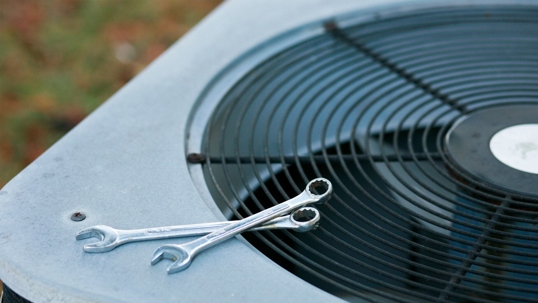
On a mild Portland afternoon, your AC is running almost nonstop, yet the house still feels stuffy and your power bill keeps creeping up. You might hear a new rattle from the outdoor unit, notice a bit of ice on the lines, or catch a faint musty smell when the system kicks on. Nothing has completely failed yet, so it is tempting to ignore it and hope the next cool night solves the problem.
These small changes are exactly what most people search for when they look up Portland AC repair signs. You are trying to figure out if what you are seeing is normal, or if it is the start of a bigger issue that could lead to a breakdown during the next hot spell. You do not want to overreact, but you also do not want to be stuck without cooling when your family or tenants really need it.
At Wolcott, we have been working on AC systems in Portland homes and businesses since 1978, so we see the same early warning signs every summer. Many major failures start with symptoms that owners thought were too minor to worry about. In this guide, we walk through the most common Portland AC repair signs, explain what they usually mean, and show you which ones call for immediate repair versus a prompt but less urgent visit.
Why Portland AC Problems Need Faster Attention Than You Think
In a city like Portland, where long stretches of very hot weather are less common than in hotter regions, it is easy to assume AC issues can slide. Homeowners often think, "We only use it a couple of months a year, so how bad can it be if it acts up a little?" The problem is that our damp air, cool nights, and swings between sunny afternoons and chilly evenings put a different kind of stress on AC systems than a consistently hot, dry climate, and small issues can escalate quickly if left unaddressed.
Here's why Portland's unique climate makes fast attention so important:
- Coil icing from excess moisture – Moisture condenses on your indoor evaporator coil whenever the AC runs, and if airflow or refrigerant charge is off, the coil can ice up, especially after a run of humid days.
- Water damage risk when ice melts – In many Portland homes with air handlers in attics, basements, or closets, melting ice can lead to water damage on ceilings, drywall, or flooring if not addressed.
- Faster filter and coil clogging – Tree pollen, construction dust, and wildfire smoke particulates build up quickly in Portland's damp air, coating filters and coils faster than in drier climates.
- Reduced system efficiency – As buildup grows, your system loses efficiency and has to run longer to produce the same level of cooling.
- Accelerated compressor wear – The compressor, the heart of your AC, works harder and runs hotter under this added strain, aging faster than it should.
- Warning signs before major failure – After nearly 50 years of AC service in Portland, we rarely see a major failure arrive without warning; odd cycling, new noises, or light icing are almost always early indicators.
The sections below break these symptoms into clear categories so you can decide when to shut the system down and call right away, and when it is safe to schedule a visit soon.
AC Running Constantly or Short Cycling in Mild Portland Weather
One of the most confusing AC behaviors for Portland homeowners is the system running almost constantly on a pleasant day, or turning on and off every few minutes without really cooling the house. In a healthy system, a cooling cycle typically lasts long enough to pull heat and moisture out of the air, then shuts off for a period before starting again. While exact times vary by home and equipment, you should not hear your system clicking on and off every few minutes all afternoon.
Short cycling, where the AC starts and stops frequently, can be caused by several issues. Low refrigerant from a small leak can make the evaporator coil too cold too quickly, which can trip safety controls or cause ice that interrupts airflow. A badly clogged filter or dirty coil can also cause the coil to get too cold and shut the system down early. Thermostat placement over a supply register or in direct sun can fool the system into thinking the home has reached the target temperature or needs cooling more often than it should.
Constant running in mild weather raises a different concern. If your system runs nearly all day and still struggles to reach the set temperature, that often points to low refrigerant, significant duct leaks, or a failing compressor that cannot move enough refrigerant through the system. Each of these problems means the equipment is working harder than it should, drawing more electricity and wearing out key components long before their time.
Homeowners sometimes blame themselves, thinking they set the thermostat wrong or picked the wrong temperature. In our experience, the thermostat setting is rarely the real issue. The underlying problem is usually in the refrigerant circuit, airflow, or system sizing. At Wolcott, our technicians often find that catching a refrigerant leak or airflow restriction early, when the only symptom is short cycling or long runtimes, helps prevent expensive compressor damage down the line.
If your AC short cycles every few minutes, or if it runs constantly on a day that is not especially hot, consider that a clear Portland AC repair sign. You can check and replace the air filter if it is dirty. If the issue continues after that, it is best to schedule a service visit soon. If the short cycling is combined with ice on the lines, breaker trips, or burning smells, shut the system off and call for immediate help.
Unusual AC Noises That Mean You Should Call Right Away
AC systems are never completely silent, but there is a big difference between the normal hum of a fan and a new grinding or banging sound. Many of the calls we receive in Portland start with, “The AC is still cooling, but it started making this noise.” That is exactly the moment when fast action can help you avoid a far more expensive repair.
Grinding or screeching noises from the indoor unit often point to blower motor bearing problems. As bearings wear out, metal parts begin to rub, which creates that harsh sound. If the motor continues to run in that condition, the friction generates heat, can damage the motor shaft, and may eventually cause the motor to seize completely. A seized blower motor means no airflow across the coil, which can lead to ice buildup and a hot, uncomfortable house.
Loud clanking, rattling, or banging sounds from the outdoor unit can indicate a loose or broken fan blade, foreign objects in the fan, or internal compressor damage. A fan blade that has come loose can strike the housing with each rotation, bending the blade, damaging the shroud, and putting unbalanced strain on the motor. Internal compressor issues, such as broken mounts or valves, can also create heavy knocking sounds that signal serious internal wear.
Persistent electrical buzzing or a sharp clicking that repeats without the system starting can point to electrical contactors or relays that are failing. While these components are often replaceable, allowing them to continue arcing and overheating can damage other parts in the circuit or create a fire risk. In older Portland homes with aging electrical panels, this risk can be even more concerning, because existing wiring may already be working close to its limits.
Because we are a family-owned company that has seen how quickly a minor noise can become a major failure, we treat new, loud, or harsh noises as urgent warnings. If you hear grinding, screeching, heavy banging, or sustained electrical buzzing, turn off your system at the thermostat and call for immediate service. If the noise is more like a light rattle or vibration and the system otherwise runs normally, you can usually schedule a prompt appointment, but do not let it drag out for weeks.
Burning Smells, Musty Odors, and Other AC Smells You Cannot Ignore
Smells from your AC are another set of signs that make homeowners uneasy, and for good reason. Some are harmless and fade quickly, while others point to electrical or air quality issues that should be addressed right away. Knowing the difference can keep you safer and help you decide how urgently to call for service.
An electrical or burning plastic smell is one of the most serious warning signs. This can come from overheating blower motors, failing capacitors, or wiring whose insulation is breaking down. As insulation or plastic components overheat, they release a sharp, acrid odor. If you smell anything that reminds you of burning wires, plastic, or an overheating appliance while the AC is running, turn the system off immediately and do not reset any breakers that have tripped repeatedly.
Musty or moldy odors, especially when the system first comes on, often point to moisture and biological growth inside the system. Portland’s damp climate and stretches of low AC use give mold a chance to grow on coils, in drain pans, or inside ductwork. When the AC starts, it pushes that smell into your living spaces. Besides being unpleasant, this can aggravate allergies and respiratory issues for people in the home.
There is one smell that is usually harmless, and that is a faint dusty odor the first time you run the AC after months of sitting idle. Dust collects on internal surfaces and burns off during the first few cycles. This smell should be mild and should disappear quickly. If it lingers or returns regularly, it may be a sign that more thorough cleaning or maintenance is needed.
Because we offer 24/7 emergency availability, we encourage Portland homeowners to treat clear burning or electrical smells as reasons to shut the system down and contact us right away. Musty smells are typically less urgent, but they still deserve attention. Scheduling a visit to inspect and clean coils, check the drain system, and evaluate duct conditions can improve air quality and help prevent longer term mold issues. We always explain what we find and what your options are so you can decide the right next step for your home.
Ice, Leaks, and High Humidity: What Moisture Around Your AC Really Means
Water and ice around your AC system often get dismissed as "normal condensation," especially in a damp city like Portland. However, visible ice or leaks around your equipment are among the clearest Portland AC repair signs, and indoor humidity that never seems to drop can point to deeper problems within the system. Because Wolcott handles both HVAC and plumbing, our technicians are very familiar with condensate drains, pans, and nearby water damage risks.
Here's what moisture-related symptoms typically indicate:
- Ice on refrigerant lines or the indoor coil – Usually means the evaporator coil is getting colder than it should, often due to low refrigerant charge, restricted airflow, or a malfunctioning expansion device.
- Ice buildup reducing coil efficiency – Ice insulates the coil, limiting its ability to absorb heat, and when it melts, water can overflow the drain pan and leak into surrounding areas.
- Water around the indoor unit or ceiling stains – Often points to condensate drain problems, especially in homes with attic air handlers.
- Clogged condensate drain lines – In Portland's humid summers, algae, debris, or slight sags in the line can cause clogs that lead to overflow and water damage.
- Damp spots on walls near the system – Can indicate water finding a path through drywall or framing due to drainage issues.
- High indoor humidity or clammy air – A sign the AC isn't dehumidifying properly, often caused by short cycling, low refrigerant, or dirty coils.
- Fogging windows or a home that never feels dry – These signs suggest an underlying issue rather than just seasonal weather.
If you see ice on the lines or coil, shut the system off so it can thaw and give us a call. If you notice active leaking near ceilings, electrical components, or finished spaces, treat that as urgent. For persistent humidity without visible water, schedule a prompt visit so we can determine whether airflow, refrigerant, or duct issues are to blame.
Weak Airflow, Warm Air, and Rooms That Never Cool
Performance issues are often the first thing homeowners notice. You may feel air from the vents, but it is weak, lukewarm, or simply not enough to cool certain rooms. In a typical Portland home, with a mix of older and newer construction, these signs can be tied to several different parts of the system.
Weak airflow across the whole house can come from a failing blower motor, a worn or loose fan wheel, or a very dirty coil that is restricting airflow. The blower motor is responsible for pushing air across the evaporator coil and through your ductwork. When it begins to fail, it may struggle to spin at full speed, which reduces air volume at every register. In some cases, you will also hear a low hum or feel the motor start and then shut off quickly.
Lukewarm or slightly cool air, when the system is set to cool, often points to refrigerant issues or coil problems. If refrigerant levels are low, the system cannot absorb enough heat from the air. A heavily fouled coil also insulates the refrigerant from the air passing over it, which lowers how much heat is transferred. Duct leaks can pull in warm attic or crawlspace air, diluting the cooled air on its way to your rooms and leaving spaces feeling undercooled.
When certain rooms never cool, especially upstairs bedrooms or additions, duct design and losses are common culprits. In many older Portland homes, ductwork was added later, routed through tight spaces, or partially restricted by renovations. Kinked flex duct, crushed sections, or disconnected branches can starve specific rooms of airflow. Homeowners sometimes assume their AC is just too small, when in reality the equipment may be fine and the fix is in the ducts or registers.
As a rule, you can safely check and replace your air filter, make sure supply and return vents are not blocked by furniture, and confirm that doors are not unintentionally closing off airflow. If those steps do not noticeably improve comfort, consider the situation a sign that professional diagnosis is needed. Our technicians at Wolcott walk you through what they find, whether it is a blower issue, duct problem, or coil contamination, and then offer straightforward repair options with upfront pricing before any work starts.
Spiking Energy Bills and Tripped Breakers: Hidden Signs Your AC Is Struggling
Not all AC trouble shows up as noise or comfort problems right away. Sometimes, your first clue is financial or electrical. A sudden jump in your electric bill during a normal Portland summer, when your usage habits have not changed, often means your AC is working much harder than it used to for the same result.
When coils are dirty, filters are clogged, or refrigerant is low, the system has to run longer to remove the same amount of heat from your home. The compressor and blower draw power the whole time they are running. Over time, mechanical wear can also cause motors and compressors to draw higher amperage as they struggle to start or stay running. These factors combine to raise your energy use, even if the thermostat settings are exactly where they were in previous summers.
Tripped breakers are another hidden AC repair sign. A breaker that trips once in a storm or during a rare event is not necessarily a concern. However, if the breaker that feeds your AC trips repeatedly, especially when the system starts up, that is a sign of an electrical or equipment problem. The compressor may be pulling too much current, the fan motor could be binding, or there could be a failing contactor or wiring issue creating excess heat.
Resetting a tripping breaker over and over does not fix the underlying cause and can be unsafe. Breakers are designed to protect wiring and equipment from overheating. If they are trying to tell you something, it pays to listen. We advise Portland homeowners to reset a breaker once if it trips, but if it immediately trips again, leave it off and call a qualified technician so the root problem can be found and fixed safely.
Addressing these issues early typically costs less than waiting for a complete breakdown. At Wolcott, we combine upfront pricing with flexible financing options when larger repairs or replacements are needed, so you can make a decision that balances comfort, safety, and budget. Our goal is to catch the cause of those bill spikes and breaker trips while it is still manageable.
When to Call for Immediate AC Repair in Portland
By this point, you have seen how many different symptoms can point to AC trouble. The final step is turning that knowledge into clear action, since not every sign means you have to shut the system down right now, but some do. Understanding which is which can protect your equipment, your home, and your comfort during our next heat wave.
Here's how to know when it's time to act immediately versus when to schedule prompt service:
- Burning or electrical smells – Turn your AC off and call immediately, as this indicates a potential safety hazard.
- Loud grinding, screeching, or banging noises – These sounds often signal serious mechanical issues that require urgent attention.
- Heavy ice buildup on refrigerant lines or the indoor coil – Shut the system off right away to prevent further damage as the ice melts.
- Active water leaking near ceilings or electrical components – This is a high-risk situation that should be treated as an emergency.
- A breaker that trips every time the AC starts – This can indicate an electrical fault that needs immediate professional evaluation.
- Short cycling or unusually long run times – These call for prompt service, though the system can often still be used carefully until a technician arrives.
- Weak airflow or uneven cooling – Worth scheduling a visit soon, as these issues rarely resolve on their own.
- Recurring musty odors – Can point to moisture or mold concerns that should be addressed before they worsen.
- Unexplained jumps in your energy bill – Often a sign of declining efficiency that's worth investigating promptly.
When you call Wolcott, you can expect clear communication from the first conversation, as we ask about your symptoms, help you decide whether to turn the system off, and prioritize calls based on urgency. With nearly 50 years of serving Portland, same-day service when available, and 24/7 emergency availability, we work to keep your home or business comfortable and safe without long delays. Recognizing these signs early means fewer surprises, lower long-term costs, and a more reliable system when you need it most, so if anything here sounds familiar, reach out so we can take a closer look and give you straightforward options for moving forward.
Call (971) 253-7883 today to schedule AC repair or emergency service in the Portland area.