
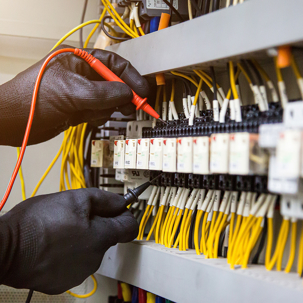
Flickering lights, a breaker that keeps tripping, or a warm outlet in your Portland home might feel like “one of those old house quirks,” but these are often early warnings from your electrical system. They are your home’s way of saying that wiring, connections, or circuits are under more stress than they were designed to handle. Ignoring those signs can quietly increase the risk of damage or even fire over time.
Many Portland homeowners live in older bungalows, Craftsman homes, and mid-century houses that were never designed for today’s electrical loads. Add our damp climate, more electronics, and bigger appliances, and you get a setup that almost invites “mystery” electrical problems that come and go. Our goal here is to translate those symptoms into plain language, so you can understand what is likely happening behind the walls and what to do next.
At Wolcott, we have spent nearly 50 years working on electrical systems in Portland and nearby communities. We see the same patterns in local homes day after day, which means we can usually trace a symptom like flicker or tripping back to a specific cause. In this guide, we walk through the most common Portland electrical issues, explain the mechanisms behind them, and give clear guidance on when you can observe and manage, and when it is time to call a licensed electrician.
Why Portland Homes See So Many Electrical Issues
Portland’s housing stock is a big part of the story. Many inner neighborhoods are filled with homes built decades ago, when a couple of small kitchen appliances, a basic furnace, and a few lights were the norm. Those homes often have older panels with fewer circuits and wiring methods that predate today’s safety expectations. When you layer on modern HVAC, home offices, large refrigerators, and entertainment systems, the original design is pushed far beyond what it was intended to carry.
Older wiring can still work safely when it is in good condition and properly maintained, but it typically offers less capacity and fewer dedicated circuits than newer systems. That lack of capacity shows up as lights dimming when big appliances start, breakers that trip when you plug in one more device, or outlets that feel warmer than they should. These are not random annoyances. They are signals that your wiring and panel are strained and that the system needs attention.
Portland’s damp climate adds another factor. Basements, crawlspaces, and exterior outlets are exposed to moisture for much of the year. Over time, that moisture can work its way into outlets, junction boxes, and connections, causing corrosion that increases resistance in the circuit. Higher resistance creates more heat at the connection, which can lead to nuisance tripping, flaky outlets, or more serious overheating. Because Wolcott has been working in these conditions for nearly 50 years, we have a clear view of how climate, age, and modern loads combine to create the Portland electrical issues homeowners see every day.
Flickering Or Dimming Lights: Loose Connections And Overloaded Circuits
Flickering or dimming lights are some of the most common Portland electrical complaints. The pattern of the flicker often tells a story about what is happening in the circuit. If one light or a small group of fixtures flickers randomly, especially when there is no big appliance turning on, that often points to a loose connection at the fixture, switch, or in the branch circuit. The electrical path is not solid, so current flows inconsistently, and the light output changes.
A loose connection increases resistance at a specific point in the circuit. You can think of resistance as friction for electricity. When electricity is forced through a narrow or poor contact, more energy turns into heat instead of doing useful work. That heat can damage the connection further and create tiny gaps, where electricity starts to jump, or arc, across. Arcing not only causes flicker but can also create a buzzing sound and char the surrounding material over time.
Another common pattern is lights that dim briefly when a heavy load starts, such as a microwave, vacuum, or furnace fan. In this case, the circuit or even the entire service may be close to its capacity. When a large appliance turns on, it draws more current for a moment, which causes a temporary drop in voltage on that circuit. Since lights are very sensitive to voltage, you see that as a quick dim. This happens more in older Portland homes with limited service sizes and many outlets tied to the same breaker.
We regularly trace chronic flickering in Portland homes back to specific loose neutrals, worn wire connections, or overloaded lighting circuits. In many cases, the fix is less about changing bulbs and more about tightening or repairing connections and, sometimes, redistributing or upgrading circuits. If flickering is localized and persistent, or if it comes with buzzing or warmth at switches or fixtures, that is a sign to have an electrician investigate rather than just living with it.
Breakers That Keep Tripping: Safety Devices Doing Their Job
When a breaker trips, many homeowners assume the breaker is “bad” or that the utility company sent in a power surge. In reality, a breaker is a safety device that monitors how much current a circuit is drawing. A standard 15 amp breaker is designed to open the circuit when current exceeds what the wiring is safely rated to handle. This protects the wires inside your walls from overheating and potentially igniting surrounding materials.
In Portland homes, we often see circuits that were originally meant for a few small loads now feeding space heaters, portable AC units, hair dryers, and kitchen appliances all at once. A typical 1,500 watt space heater draws about 12.5 amps on its own, which is most of a 15 amp circuit. Add a vacuum, microwave, or power tools to that same circuit, and the total current can easily exceed the breaker’s rating. The breaker trips to stop that overload from overheating the wires.
An occasional trip when you clearly overloaded the circuit is not unusual. The concern is when a breaker starts tripping frequently under what seems like normal use. That can indicate that the circuit is routinely running right at its limit, or that there is a wiring issue or partial fault somewhere along the run. Damaged insulation, loose connections, or failing equipment can cause spikes in current that the breaker responds to by shutting off the flow.
There is also a difference between overload and a short circuit or ground fault. A short circuit happens when the hot wire touches neutral or ground directly, which causes a very high current spike and an instant trip. A ground fault involves current leaking out of the normal path, often through moisture or damaged insulation. In both cases, breakers and GFCI devices are supposed to react quickly. Our electricians in Portland often start by mapping which outlets and fixtures belong to a tripping breaker, measuring loads, and checking for damaged sections. From there, we can either rebalance circuits, add new ones, or repair wiring so the breaker can keep doing its job without constant nuisance trips.
Warm Outlets, Buzzing Panels, And Burning Smells: Signs You Should Not Ignore
A faintly warm phone charger is one thing. An outlet faceplate or switch that feels noticeably warm or hot is something very different. Warm outlets, buzzing breaker panels, or any burning or melting smell around electrical equipment are signs that something is going wrong at the connection point. These symptoms usually mean that resistance and possibly arcing have developed where wires meet terminals or where breakers clip onto the panel bus.
When a screw terminal is not fully tight, or when wires are pushed into the back of a device using spring clips, the contact area can be small or degrade over time. As current flows through that restricted area, more energy turns into heat. If the heat builds faster than it can dissipate, the metal and plastic around it start to discolor, become brittle, and eventually fail. In serious cases, tiny arcs can jump between metal parts, creating a buzzing or crackling sound and leaving visible pitting or charring.
Panels can show similar symptoms. A loose breaker on the bus, or a conductor that is not properly secured, can create hot spots and noise. You might notice a faint hum, a burning odor near the panel, or discoloration around a specific breaker. These are not issues to monitor casually. They are warnings that the system is under stress in a way that can quickly escalate. In some cases, what looks like a “weak breaker” is actually a breaker working hard to protect a compromised connection.
Whenever electrical components are getting hot, smelling like burning plastic, or making unusual sounds, the priority should be safety. Turning off the affected breaker and avoiding use of that circuit until it is inspected is a smart move. At Wolcott, we treat calls about warm outlets, buzzing panels, or burning smells as high priority because they can signal active overheating or arcing. Our electricians can open the devices, locate the failing connection, and repair or replace components before they cause more serious damage.
GFCI And Outdoor Outlet Problems In Portland’s Wet Weather
In kitchens, bathrooms, garages, and outdoor areas, many outlets include ground fault circuit interrupter (GFCI) protection. A GFCI constantly compares the current leaving on the hot wire with the current returning on the neutral. If even a small amount of current starts leaking away through another path, which could include a person or water, the device trips in a fraction of a second to reduce shock risk.
Portland’s rain and moisture can make GFCI and outdoor outlet issues more common. When outlet covers age and seals fail, water can enter the box or conduit, especially on wind-driven rain days. Moisture creates unintended paths to ground, causing the GFCI to sense a difference between hot and neutral current and trip. Corrosion also builds on metal parts over time, increasing resistance and creating intermittent connections that can cause both nuisance tripping and dead outlets.
Homeowners are often surprised to learn that one GFCI device can protect several outlets downstream. In a garage, for example, there might be one GFCI outlet that also protects a couple of standard outlets on the same circuit. If that single device trips or fails, you can lose power to all of them at once. The same pattern is common in older Portland bathrooms or kitchen circuits that were retrofitted with GFCI protection later.
We routinely troubleshoot situations where an exterior or garage outlet only seems to fail in wet weather or where several outlets in a row are dead. The fix can be as simple as replacing a failed GFCI and improving weatherproof covers, or it may involve rerouting or tightening connections that have suffered from years of moisture exposure. If an outlet or GFCI will not reset, trips immediately, or shows signs of rust or cracking, that is a good time to have a licensed electrician inspect the circuit rather than forcing it to reset repeatedly.
Older Panels And Wiring: How Yesterday’s Design Meets Today’s Loads
Even when individual circuits seem fine, many Portland electrical issues trace back to an older main panel or aging wiring. Panels installed decades ago were typically sized for much smaller total demand than what a modern home expects. They often have fewer breaker spaces, limited capacity for new circuits, and equipment that does not align with current safety expectations. As more appliances and devices are added, those panels are asked to do more than they were built for.
One sign of a panel struggling to keep up is the presence of multiple wires under a single breaker terminal, sometimes called double tapping. This is when an installer, often during a past remodel or DIY project, adds another branch circuit by tying two conductors into a breaker designed for one. That creates a poor connection and can make it harder for the breaker to sense and respond to issues properly. It also often indicates that the panel had no spare spaces left when the work was done.
Wiring age matters too. In some eras, aluminum branch wiring was used in homes, which requires very specific terminations and can be more prone to loose connections and oxidation when not handled correctly. Cloth insulated wiring and older cable types can become brittle and less protective as insulation ages. Combined with the added stress of modern loads, this aging infrastructure becomes more likely to produce hot spots, flicker, or nuisance tripping.
We often meet Portland homeowners at the point where small issues like flicker or recurring trips have built up over years and now point clearly to an undersized or outdated panel. Upgrading a panel or adding a subpanel is not just about having more breaker spaces. It is about giving the entire system room to safely handle current and future loads, including HVAC upgrades, electric vehicle chargers, or hot tubs. At Wolcott, we handle these larger projects with upfront pricing and, when needed, flexible financing options so owners can address the root of their electrical issues instead of chasing isolated symptoms.
What You Can Check Yourself Versus When To Call An Electrician
Many homeowners want to know which electrical issues they can safely troubleshoot on their own and which situations require a licensed electrician right away. While there are several safe observations and basic steps you can take before scheduling service, electrical systems can become dangerous quickly if wiring, panels, or overloaded circuits are handled improperly. Paying attention to warning signs and knowing your limits can help you avoid unnecessary risks while also providing useful information that helps an electrician diagnose the problem more efficiently when they arrive.
Safe troubleshooting steps homeowners can take and signs it is time to call an electrician include:
- Track Which Areas Lose Power: Make note of which rooms, outlets, or lights stop working when a breaker trips.
- Pay Attention To What Was Running: Record which appliances or devices were in use when the problem occurred, such as space heaters, hair dryers, or window AC units.
- Observe Flickering Patterns: Check whether flickering affects a single light fixture, one room, or the entire home.
- Test Simple Load Adjustments: If a breaker trips during heavy appliance use, try reducing the electrical load by unplugging some devices or using outlets on different circuits.
- Watch For Dimming Lights: Temporary dimming when large appliances start may indicate the circuit is nearing capacity.
- Avoid Overloading Circuits: Running multiple high-demand appliances on the same circuit can cause repeated breaker trips and overheating.
- Never Open The Main Electrical Panel: Homeowners should not remove panel covers, breakers, or touch internal wiring due to serious shock and arc flash risks.
- Do Not Replace Breakers Yourself: Installing a larger breaker without evaluating the wiring can create overheating and fire hazards behind the walls.
- Avoid DIY Wiring Repairs: Electrical repairs inside walls, outlets, switches, or fixtures should always be handled by a licensed electrician.
- Call For Repeated Breaker Trips: Breakers that continue tripping even under light electrical use may signal damaged wiring or failing electrical components.
- Watch For Hot Or Discolored Outlets: Warm, cracked, or darkened outlets and switches are signs that overheating may already be occurring.
- Take Burning Smells Seriously: Any burning plastic odor, melting smell, buzzing, or crackling noise coming from electrical equipment should be evaluated immediately.
- Shut Off Power If Sparks Or Smoke Appear: If you see sparks, smoke, or active arcing, turn off power at the main breaker if it is safe to do so and step away from the area.
- Provide Clear Details When Calling: Sharing observations about sounds, smells, breaker behavior, or recent appliance use helps the electrician prepare for your service call more effectively.
How Proactive Electrical Maintenance Protects Portland Homes
Electrical problems often develop gradually, which is why proactive maintenance can make such a difference for Portland homeowners. A loose connection, an overloaded circuit, or a GFCI outlet that occasionally trips during wet weather may seem minor at first, but over time these issues can lead to overheating, damaged insulation, and repeated electrical failures. Scheduling regular inspections gives you the opportunity to identify these concerns early and correct them before they become larger safety hazards or expensive repairs. In older Portland homes especially, where original wiring may have been modified over decades of renovations, preventative maintenance helps keep the entire system operating more safely and reliably.
Regular electrical maintenance helps protect your home and improve long-term reliability by addressing issues such as:
- Loose electrical connections: Tightening connections at the panel and outlets helps reduce heat buildup that can damage wiring or create fire risks.
- Overloaded circuits: Evaluating how circuits are being used can identify areas where appliances or heaters are drawing more power than the wiring was designed to handle.
- Aging or damaged outlets and switches: Inspecting devices for discoloration, cracking, or heat damage helps catch worn components before they fail.
- Double-tapped breakers: Correcting improperly connected breakers improves panel safety and helps circuits operate more consistently.
- Mixed old and new wiring: Many older Portland homes contain layers of past electrical work, and organizing those circuits improves stability and troubleshooting.
- Dedicated circuit needs: Adding separate circuits for large appliances, microwaves, space heaters, or HVAC equipment helps prevent nuisance breaker trips.
- Panel performance concerns: Testing breakers and reviewing panel capacity can reveal signs of wear before a major failure occurs.
- Electrical strain from home upgrades: New furnaces, air conditioners, or water heaters can place additional demand on your system, making load planning important.
- Frequent flickering or tripping: Identifying the underlying cause of recurring electrical issues can prevent them from worsening over time.
- Long-term safety planning: Routine inspections help homeowners prepare for future electrical needs while keeping the current system dependable and code compliant.
Get Clear Answers About Electrical Issues In Your Portland Home
Flickering lights, frequent breaker trips, warm outlets, and GFCI problems are not just quirks of an older Portland home. They are your electrical system’s way of telling you that circuits, connections, or equipment are under stress. With the right diagnosis, many of these issues can be traced to specific causes and corrected before they turn into serious hazards or constant disruptions.
If you recognize any of the symptoms we have described, or if you are not sure whether your panel and wiring can keep up with your home’s current and future needs, we are ready to take a closer look. At Wolcott, we bring nearly 50 years of local experience, straightforward explanations, and upfront pricing to every electrical call, from urgent safety concerns to planned upgrades. Reach out today, and we will help you understand what is really going on and what your options are to make your home safer and more reliable.