
If you live in Portland, you have probably heard friends or neighbors talk about heat pumps and wondered whether they can really keep a home warm on our damp winter days. You might also be looking at your utility bills and thinking about when you will need to replace that older furnace or AC. The idea of switching to a different kind of system can feel risky, especially when comfort is on the line.
Choosing the right heating and cooling setup is a big decision, and in our climate the answers you see in national articles often do not quite fit. Portland’s winters feel chilly and wet, not brutally cold, and many homes were built long before high-efficiency heat pumps became common. You need clear, local information about what actually works here, not generic promises that ignore how your house is built or how you really live in it day to day.
Our team at Wolcott has been working on Portland homes and businesses since 1978, through cold snaps, heat waves, and everything in between. We install, repair, and maintain furnaces, air conditioners, and heat pumps across the metro area, and we see how these systems perform in real Portland weather, not just in lab tests. In this guide, we will walk through the real benefits of heat pumps in Portland, when they make sense, and what to expect if you decide to explore one for your home.
Why Portland’s Climate Is Ideal for Heat Pumps
Portland’s climate creates conditions that work especially well for modern heat pump systems, making them an increasingly popular option for homeowners looking for efficient year-round comfort. Unlike regions that experience extended periods of subzero temperatures, the Portland area spends much of the year in a moderate temperature range that allows heat pumps to operate efficiently without constantly relying on backup heat. The cool, damp winters common throughout the Pacific Northwest are often ideal for air-source heat pumps, which are designed to transfer heat rather than generate it through combustion. As technology has improved, newer systems have become even more capable of handling lower outdoor temperatures while maintaining steady indoor comfort. For many homeowners, this means quieter operation, more even heating, and efficient cooling during warmer summer months as well.
Portland’s weather patterns make heat pumps a practical and energy-efficient choice for many homes because they offer:
- Efficient heating during mild winters: Heat pumps perform especially well in Portland’s cool climate, where temperatures typically stay within the operating range modern systems are designed to handle efficiently.
- Year-round comfort from one system: A heat pump provides both heating in the winter and cooling in the summer, eliminating the need for separate systems in many homes.
- More consistent indoor temperatures: Unlike some traditional furnaces that cycle on and off with noticeable temperature swings, heat pumps often provide steadier, more even comfort throughout the home.
- Lower energy usage in moderate weather: Because heat pumps transfer heat instead of creating it through combustion, they can operate more efficiently during long stretches of cool Pacific Northwest weather.
- Improved technology for colder temperatures: Newer heat pump models are designed to maintain performance during colder nights that older systems may have struggled with decades ago.
- Quieter day-to-day operation: Many modern systems run with less noise than older heating equipment, both indoors and outdoors.
- Better humidity management: Portland’s damp climate can make homes feel clammy during parts of the year, and heat pumps can help maintain more balanced indoor comfort levels.
- Compatibility with modern home upgrades: Heat pumps pair well with smart thermostats, zoning systems, and newer insulation improvements commonly added during home renovations.
- Reduced reliance on fossil fuels: Many homeowners choose heat pumps as part of a broader effort to improve energy efficiency and reduce dependence on gas heating systems.
- Reliable performance during most Portland winters: While backup heat may occasionally assist during rare extreme cold events, many systems are capable of handling the majority of the heating load throughout the season.
How Heat Pumps Work to Heat & Cool Your Portland Home
A heat pump might look like a typical air conditioner outside, but it behaves very differently inside your home. Instead of burning gas or using electric resistance coils to create heat, it uses a refrigerant cycle and a compressor to move existing heat from one place to another. In winter, it pulls heat energy from the outdoor air and transfers it indoors. In summer, it reverses direction and moves heat from inside your home to the outdoors.
The part that allows this switch is called a reversing valve. In heating mode, the indoor coil becomes the warm coil that releases heat into your ductwork or room, while the outdoor coil absorbs heat from the outside air. In cooling mode, the roles flip. This is why one heat pump can replace a separate furnace and air conditioner in many Portland homes, and why the benefits of heat pumps in Portland often include simplified equipment and controls.
There are two main ways we typically install heat pumps in this area. A ducted heat pump connects to your existing ductwork much like a conventional furnace and AC system. A ductless mini-split heat pump uses one or more indoor units mounted on walls or ceilings, which can be ideal for homes without ducts or for additions and problem rooms. In both cases, efficiency is measured with SEER2 for cooling and HSPF2 for heating. Higher numbers generally mean the system can deliver more heating or cooling for each unit of electricity, although the right rating depends on your home and usage.
Because our technicians at Wolcott handle both HVAC and electrical work, we look at the entire system, not just the outdoor unit. That means checking whether your existing ducts can support the airflow a heat pump needs and whether your electrical panel can handle the new load. Getting those details right on the front end is a big part of making sure a heat pump performs the way it should in a Portland home.
Energy Efficiency Benefits for Portland Homeowners
Portland homeowners often explore heat pumps because of the significant efficiency advantages they can offer throughout much of the year. Unlike traditional electric resistance systems that create heat directly, heat pumps transfer heat from the outdoor air into your home, allowing them to deliver more heating energy while using less electricity under many conditions. Portland’s mild, damp winters are especially favorable for this type of technology, which means many households experience strong performance during the majority of the heating season. For homeowners currently relying on electric baseboard heat, older furnaces, or portable space heaters, upgrading to a heat pump can improve comfort while potentially lowering monthly energy usage. The actual savings will vary depending on factors like insulation, ductwork condition, thermostat habits, and the age of your current equipment, which is why a detailed home evaluation is an important part of the process.
Heat pumps can provide meaningful energy efficiency advantages for Portland homeowners by offering:
- Lower heating energy consumption: Heat pumps move heat instead of generating it through electric resistance, allowing them to operate more efficiently during Portland’s moderate winter temperatures.
- Reduced winter utility costs: Many homeowners notice lower electric bills after switching from baseboard heaters, portable heaters, or older electric furnace systems.
- Efficient performance during damp weather: Portland’s long stretches of cool, wet conditions often fall within the temperature range where heat pumps perform especially well.
- Improved comfort without excessive energy use: A properly sized system can maintain steady indoor temperatures without constantly running at maximum capacity.
- Safer heating compared to portable space heaters: Whole-home systems reduce the need for extension cords and portable heating devices that can create fire or overload risks.
- More consistent airflow throughout the home: Heat pumps can help reduce cold spots that are common in homes with aging ductwork or uneven heating systems.
- Year-round efficiency from one system: Because heat pumps also provide cooling, homeowners can rely on a single high-efficiency system for both seasons.
- Better compatibility with weatherization upgrades: Improvements such as added insulation, duct sealing, and upgraded windows can further improve heat pump performance and energy savings.
- Flexible thermostat operation: Modern heat pumps often maintain comfort more efficiently with steady temperature settings instead of dramatic daily adjustments.
- Clearer long-term planning for energy use: During an in-home evaluation, homeowners can compare projected operating costs, equipment options, and expected efficiency improvements based on how they actually use their home.
Year-Round Comfort: One System for Heating & Cooling
Comfort is not just about energy numbers, it is about how your home feels day in and day out. One of the less talked about benefits of heat pumps in Portland is how they change the feel of indoor temperatures. Because they often run longer, lower-power cycles instead of short, high-blast bursts, they tend to keep room temperatures more even. Many homeowners notice fewer hot and cold swings and less of that “too hot near the vents, chilly in the corners” feeling common with some older furnaces.
In summer, a heat pump works like a high-efficiency air conditioner, pulling heat and moisture out of the indoor air. On those warm, humid days that have become more frequent in Portland, this steady dehumidification can make the house feel more comfortable even at a slightly higher thermostat setting. If you have never had central cooling, a ducted or ductless heat pump can be a major lifestyle upgrade during our hotter spells.
Using one system for both heating and cooling can also simplify how you manage comfort. You work with one thermostat or one set of controls, one maintenance schedule, and one main piece of outdoor equipment. That can mean fewer surprises and easier planning when it comes to service. For many households, this simplicity is as attractive as the energy savings.
We know that any system is only as good as the service behind it. At Wolcott, we offer 24/7 emergency availability and same-day service when available, so if you do run into a problem during a heat wave or on a cold winter night, help is close by. That level of support can make homeowners more comfortable choosing a single system to handle comfort all year round.
When a Heat Pump Makes Financial Sense in Portland
Cost is often the deciding factor when homeowners weigh the benefits of heat pumps in Portland. Upfront, a heat pump system can be similar to or higher than replacing just a furnace or just an air conditioner. However, when you look at the full picture over time, there are many situations where a heat pump can be a smart financial move, especially if you are considering both heating and cooling upgrades in the next few years.
If you currently heat with older electric baseboards, an aging electric furnace, or portable space heaters, a heat pump can often deliver the same or better comfort with significantly lower electric use. In homes that rely on window units or do not have any air conditioning, installing a heat pump can add efficient cooling while upgrading your heating at the same time. In those cases, you are effectively getting two systems in one, which can be more cost-effective than installing separate heating and cooling solutions.
The picture is a little different if you have a relatively new, efficient gas furnace. In that scenario, a heat pump can still make sense as a way to reduce gas use and add high-efficiency cooling, but the payback may be longer, and some homeowners choose to keep their furnace as backup. This is where a tailored assessment matters. We look at your current equipment, utility rates, and how long you plan to stay in the home to help you see the bigger picture.
To make the transition easier, we offer flexible financing options at Wolcott. Spreading the cost over time can help align monthly payments with potential changes in energy usage, which matters for families watching their budgets closely. Combined with our upfront pricing, you know what the project will cost before work begins, with no hidden fees, so you can make a clear, informed decision.
Common Heat Pump Myths in Portland, Debunked
Many Portland homeowners have questions about heat pumps, and a lot of the concerns we hear are based on older technology or misconceptions about how modern systems perform in the Pacific Northwest. Today’s heat pumps are designed to operate efficiently in cooler climates and can handle the majority of Portland’s winter weather without difficulty when properly sized and installed. We also talk with homeowners who assume heat pumps are only worthwhile for environmental reasons, when in reality the financial benefits often depend on the type of heating system currently in the home, the condition of the property, and everyday energy usage habits. Some people believe they must continue relying heavily on a traditional furnace after installing a heat pump, but many systems are designed to serve as the primary heat source with backup heat used only during the coldest conditions. Because every home is different, the best setup depends on your comfort goals, existing equipment, and long-term plans for the property.
Some of the most common heat pump myths we help Portland homeowners understand include:
- “Heat pumps cannot handle Portland winters.” Modern cold-climate heat pumps are designed to operate effectively during the cool, damp conditions that are common throughout Portland and much of the Pacific Northwest.
- “You will always need constant backup heat.” In many homes, the heat pump serves as the primary heating system, with backup heat only assisting during rare cold snaps or unusually low temperatures.
- “Heat pumps only make sense for environmental reasons.” While they can reduce environmental impact, many homeowners also choose heat pumps because of potential energy savings and improved year-round comfort.
- “They do not save much money.” Savings depend heavily on the system being replaced, with homeowners switching from electric resistance heating often seeing more noticeable reductions in energy use.
- “A gas furnace is always cheaper to run.” The operating cost comparison varies based on utility rates, home efficiency, insulation levels, and how the system is used day to day.
- “Heat pumps blow cold air.” Heat pumps typically deliver steady, moderate warmth rather than the short bursts of very hot air some homeowners are used to with furnaces.
- “You have to remove your existing furnace.” Many Portland homes benefit from dual-fuel or hybrid systems that combine a heat pump with an existing gas furnace for additional flexibility.
- “Heat pumps only work in newer homes.” Older homes can often benefit from heat pump installations as well, especially when paired with duct improvements or weatherization upgrades.
- “The technology is still experimental.” Heat pumps have been used successfully for decades, and modern systems are significantly more advanced than earlier generations.
- “Every home should use the same setup.” The right solution depends on your home’s size, insulation, ductwork, existing equipment, and comfort preferences rather than a one-size-fits-all approach.
- “You cannot stay comfortable during cold weather.” Proper sizing, installation quality, and airflow design play a major role in maintaining consistent comfort throughout the heating season.
- “Heat pumps are too complicated to maintain.” Routine maintenance is similar to other HVAC systems and typically includes filter changes, inspections, and seasonal tune-ups to keep the equipment operating efficiently.
What to Expect From a Heat Pump Consultation With Wolcott
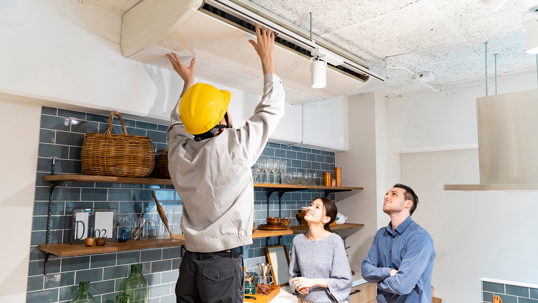
Even if the benefits of heat pumps in Portland sound appealing, it is natural to want concrete answers about your specific home before making a change. That is where a professional consultation makes a real difference. When we visit your home, we start by looking at the basics, like square footage, layout, and the age and type of your current heating and cooling equipment. We also ask about comfort issues, such as cold bedrooms, hot upstairs spaces, or rooms that always feel stuffy or damp.
From there, we evaluate the parts of your home that matter for a heat pump. That often includes checking the condition and design of your ductwork, if you have it, and looking at your electrical panel to see whether any upgrades are needed to support a new system. We pay attention to insulation levels and window conditions, because those factors influence how much heating and cooling your home really needs and how well any system will perform.
Once we understand the home itself, we sit down and talk through options with you. That might include a ducted heat pump that works with your existing ducts, a ductless mini-split to handle specific areas, or a hybrid approach that keeps an existing furnace as backup. We explain the pros and tradeoffs of each choice in everyday language, and we provide upfront pricing so you can see the differences clearly. Our goal is not to push a particular system, but to help you choose the setup that fits your comfort, budget, and long-term plans.
As a family-owned company that has lived and worked in Portland for nearly 50 years, we treat every home as if it were our own. Our technicians are courteous, they protect your space, and they take the time to answer questions fully. Many of our customers come to us through friends and family who have used us for years, and we take that generational trust seriously in every recommendation we make.
Find Out Whether a Heat Pump Is Right for Your Portland Home
Heat pumps are not just a trend, they are a technology that lines up well with how Portland weather actually behaves and how many of our homes are used. When they are chosen and installed thoughtfully, they can deliver quieter operation, more even comfort, and lower energy use across much of the year compared with many older systems. The key is matching the system to the home and to the people who live in it, rather than relying on generic advice.
If you are curious about the benefits of heat pumps in Portland but still have questions about cost, performance, or how they would work with your existing setup, we are ready to take a closer look with you. A visit from our team at Wolcott will give you clear options, honest answers, and a plan that reflects your home and your priorities, not a sales script. To schedule a consultation or talk with us about whether a heat pump could be a good fit for your home, call us today.