
Running a gas furnace through Portland’s long, wet winters can raise a quiet question in the back of your mind: could carbon monoxide be building up in my home without me knowing it? You cannot see it, you cannot smell it, and most days everything seems to work just fine. That mix of comfort and uncertainty is exactly what makes carbon monoxide worth understanding, especially if your home relies on gas heat.
In the Portland area, many homes use gas furnaces, gas fireplaces, and gas water heaters for months at a time. Older homes often have equipment that has been in place for decades, and newer, tighter houses handle airflow very differently than the drafty homes many of us grew up in. Carbon monoxide risk is not just a theoretical problem for other parts of the country, it depends on how your specific heating system burns fuel and moves exhaust out of your home.
At Wolcott, we have been working on Portland-area heating systems since 1978, so we have seen how real carbon monoxide issues develop in local basements, crawlspaces, and mechanical rooms. We routinely catch small problems before they turn into emergencies, and we know which combinations of equipment, venting, and building layout tend to raise risk. In this guide, we want to share how carbon monoxide interacts with Portland heating systems and what you can do to keep your home safe.
What Carbon Monoxide Really Is and Why Heating Systems Create It
Carbon monoxide is a colorless, odorless gas that forms when fuel such as natural gas, propane, oil, or wood burns without enough oxygen. In a perfect burn, the fuel would turn into carbon dioxide and water vapor and move safely out through the vent. In the real world, conditions are almost never perfect. When the flame does not have the right mix of fuel and air, or when the flame is disrupted, it can create carbon monoxide instead of, or in addition to, carbon dioxide.
In a typical gas furnace or gas water heater, burners release gas into a controlled metal space, mix it with air, and ignite it. The flame heats the metal surfaces that transfer warmth to the air or water inside your home while keeping combustion gases on the other side of that metal. As long as the burners are clean, the gas pressure is correct, and there is enough fresh air for the flame, combustion byproducts, including a small amount of carbon monoxide, should travel up the vent and outside.
Carbon monoxide becomes a concern when that balance is off. Dirty burners, incorrect gas pressure, clogged filters, or restricted combustion air can all lead to incomplete combustion, where the flame is orange or yellow and unstable instead of steady blue. That type of flame usually produces more carbon monoxide. Since carbon monoxide has no smell, you will not notice it the way you might notice a natural gas leak, which has odor added. This is why we treat combustion quality as a core safety item during Portland heating visits and not just a performance issue.
How Portland Heating Systems Can Let Carbon Monoxide Into Living Spaces
Many Portland homes rely on gas furnaces and water heaters that vent combustion gases through metal flues or chimneys using natural draft. When these systems are operating properly, harmful gases like carbon monoxide are carried safely outside the home. However, problems can develop when vent pipes become damaged, blocked, disconnected, or affected by pressure imbalances inside the house. Portland’s long, damp winters can accelerate rust and corrosion in venting materials, while leaves, moss, and storm debris may block exterior terminations over time. In some homes, especially those that have been tightly sealed for energy efficiency, strong exhaust fans or dryers can create negative air pressure that pulls combustion gases back into living areas instead of allowing them to vent outdoors properly. Because heating systems often run for extended periods during the colder months, even small venting problems can become serious safety concerns if they are not identified and corrected.
Several common heating system issues can allow carbon monoxide to enter Portland living spaces, including:
- Damaged or rusted vent pipes: Corrosion in metal flues, elbows, or vent connectors can create openings that allow combustion gases to leak into the home instead of venting outdoors.
- Disconnected vent sections: Vent pipes may become loose or separated during remodeling, storage changes, or other work performed near the furnace or water heater.
- Blocked chimneys or flues: Birds’ nests, leaves, moss, and debris can partially obstruct vent systems, slowing airflow and causing gases to spill back into the house.
- Weak natural draft in older systems: Atmospheric vent appliances depend on rising warm air to move exhaust outside, and poor draft conditions can interrupt that process.
- Backdrafting caused by negative air pressure: Kitchen exhaust fans, bathroom fans, and clothes dryers can pull combustion gases back into the home if too much indoor air is being exhausted.
- Air-sealed homes with older appliances: Newer energy-efficient homes sometimes retain older atmospheric vent systems that are more vulnerable to pressure-related venting problems.
- Improperly installed venting systems: Incorrect vent slopes, loose joints, or undersized vent pipes can interfere with safe exhaust flow.
- Blocked high-efficiency appliance terminations: Sealed combustion systems still require clear intake and exhaust pathways, which can become obstructed by debris or vegetation.
- Cracked heat exchangers: Damage inside a furnace heat exchanger may allow combustion gases to mix with circulating indoor air.
- Extended winter heating cycles: Because Portland homes often run heating systems for long periods during damp winters, small venting flaws have more time to create hazardous conditions.
- Poor combustion airflow in utility rooms: Furnaces and water heaters need adequate combustion air, and restricted airflow can affect burner performance and venting reliability.
- Lack of regular inspections and maintenance: Without routine service visits, developing issues such as corrosion, loose venting, or draft problems may go unnoticed until symptoms appear inside the home.
Symptoms and Warning Signs Homeowners Often Overlook
Carbon monoxide exposure can be difficult to recognize because the symptoms often resemble common illnesses or seasonal fatigue rather than an obvious household hazard. Many homeowners initially assume they are dealing with allergies, a lingering cold, or general tiredness from Portland’s long, damp winters. Low-level exposure may cause headaches, dizziness, nausea, shortness of breath, or unusual exhaustion that seems to improve once you leave the house for work, school, or errands. In addition to physical symptoms, there are often warning signs around the heating equipment itself that point to combustion or venting problems. Because carbon monoxide is odorless and invisible, recognizing these subtle patterns early can help prevent a more serious safety issue from developing over time.
Some of the most common carbon monoxide warning signs homeowners overlook include:
- Persistent headaches while at home: Repeated dull headaches that seem worse when the furnace is running may indicate low-level exposure inside the house.
- Dizziness or unusual fatigue: Feeling weak, lightheaded, or excessively tired without a clear explanation can sometimes be linked to combustion gas problems.
- Nausea or flu-like symptoms: Carbon monoxide exposure is frequently mistaken for a lingering cold, seasonal illness, or allergies.
- Symptoms that improve outdoors: If family members feel better after leaving the house for several hours, it may point to an indoor air quality or venting issue.
- Yellow or wavering furnace flames: Most gas appliance flames should burn primarily blue, so large yellow tips or unstable flames may suggest improper combustion.
- Soot or dark discoloration near equipment: Marks around burner openings, vent pipes, or furnace panels can indicate exhaust gases are not venting properly.
- Corrosion around vent joints: Rust, moisture staining, or deteriorating vent connectors may signal long-term venting or condensation problems.
- Excess moisture on windows or walls: In some homes, condensation buildup during furnace operation can point to combustion gases remaining indoors instead of exhausting outside.
- Stale or stuffy indoor air during heating season: Poor venting and airflow issues sometimes create an environment that feels noticeably different when the heating system operates.
- Unusual odors near mechanical equipment: While carbon monoxide itself has no smell, overheating dust, soot buildup, or combustion irregularities may create faint burnt or stale odors.
- Frequent activation of exhaust fans or dryers causing symptoms: Changes in household air pressure from ventilation equipment can worsen backdrafting issues in certain homes.
- Ignoring subtle equipment changes over time: Small issues such as minor soot buildup, slight discoloration, or changing flame appearance often develop gradually and are easy to dismiss until they become more serious.
Carbon Monoxide Detectors Help, But They Are Not Enough on Their Own
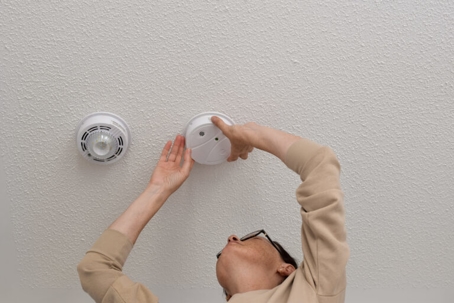
Carbon monoxide detectors are a critical safety layer, and every Portland home with fuel-burning appliances should have them. These devices measure CO in the air and sound an alarm when levels stay high enough, long enough, to be dangerous. Many safety guidelines recommend detectors on each level of the home and near sleeping areas so that an alarm will wake you if CO builds up at night. Plug-in models with battery backup and fully hardwired units are both common, as long as they are installed in the right locations and maintained.
We often see a few recurring problems with CO detectors during Portland service calls. Some homes have a single detector plugged into an outlet in a hallway far from bedrooms or fuel-burning equipment. Others have detectors that are many years past their rated lifespan, so the internal sensors may no longer be reliable even if the test button beeps. In some cases, low battery chirps or end-of-life beeps have been ignored or the device has been taken down and not replaced, usually because no one got around to it in a busy week that turned into months.
Detectors are a last line of defense, not the only one. They can alert you to dangerous conditions, but they do not change how your furnace burns fuel or how your vent is assembled. During our heating visits, we look for detectors, check their locations, and recommend additional units or replacements where a home’s layout or the device’s age calls for it. We also encourage you to test your detectors monthly and replace batteries as needed so that the alarm you rely on will actually sound if it has to. Relying on a single, aging detector as your only carbon monoxide plan leaves too many gaps.
Heating System Issues That Raise Carbon Monoxide Risk in Portland Homes
Heating system problems in Portland homes can quietly increase the risk of carbon monoxide exposure when key components begin to fail or operate under stress. One of the most serious issues is a cracked heat exchanger in a furnace. This metal component keeps combustion gases separate from the air circulating through your home, and if it fails, gases can mix with indoor air. Cracks often develop from long-term wear, corrosion caused by Portland’s damp climate, or overheating due to restricted airflow. Burner issues also contribute to risk when dirt, rust, or incorrect gas pressure disrupts the flame. Instead of a steady blue flame, you may see yellow tips or uneven burning, which signals incomplete combustion. Airflow restrictions, such as clogged filters or undersized return ducts, can cause overheating and poor burner performance. Venting problems, including rusted or disconnected flue pipes, may allow exhaust gases to spill indoors instead of exiting safely. Because these issues often develop together, full-system inspection is important for safety.
Key heating system conditions that can raise carbon monoxide risk in Portland homes include:
- Cracked heat exchangers: A failed barrier between combustion gases and indoor air that can allow carbon monoxide to enter ductwork.
- Dirty or misaligned burners: Causes incomplete combustion, often seen as yellow or unstable flame patterns.
- Restricted airflow from clogged filters: Leads to overheating, system stress, and unsafe burner operation.
- Insufficient combustion air supply: Tight mechanical spaces can starve burners of oxygen and reduce safe combustion.
- Rusted or damaged vent piping: Corrosion or openings can let exhaust gases leak into basements or living areas.
- Disconnected vent joints: Loose flue sections can interrupt exhaust flow and cause indoor spillage.
- Improper vent sizing or layout: Reduces draft strength and increases the likelihood of backdrafting.
- Backdrafting from pressure imbalance: Exhaust fans and tight homes can pull combustion gases back inside.
- Moisture-related corrosion: Portland’s damp climate accelerates vent and connector deterioration over time.
What We Check During a Carbon Monoxide Focused Heating Inspection
When you ask us to look at your Portland heating system with carbon monoxide in mind, we work through a specific set of checks that go far beyond a quick visual. We start at the burners, looking at how the flame lights, its color, and its stability. An even blue flame that stays where it should tells us combustion is likely healthy. A yellow, lifting, or noisy flame tells us to dig deeper into burner cleanliness, gas pressure, and combustion air.
We examine the heat exchanger surfaces that we can access, looking for signs of cracks, corrosion, or hot spots. We cannot see every square inch without disassembling the furnace, but experience and targeted inspection techniques help us identify areas of concern. Around the furnace, we inspect vent connectors, draft hoods, and flue pipes, checking for rust-through, loose joints, backdrafting marks, or evidence of exhaust rolling out instead of going up. For high efficiency systems, we look at PVC intake and exhaust pipes, checking that they are properly supported, sloped, and clear at the terminations outside.
Instrumentation matters as well. We use combustion analyzers to measure gases in the flue and evaluate how completely the fuel is burning. We can also check for the presence of CO in the ambient air around the appliance under normal operating conditions. You do not need to know exact parts per million, but you should know that we are not just guessing. We compare readings and visual observations to what we expect for safe operation and then explain our findings in plain language.
Throughout this process, our technicians focus on communication. We point out what we see at the furnace, answer your questions in everyday terms, and distinguish between minor adjustments, like cleaning burners or correcting a vent joint, and serious problems such as a suspected cracked heat exchanger. Before any work starts, we walk through options and pricing so you can decide how to proceed. Our goal is to give you the same guidance we would want in our own homes and make sure you understand why we recommend a particular repair or replacement when carbon monoxide risk is involved.
Simple Steps Portland Homeowners Can Take To Reduce CO Risk
Simple steps Portland homeowners can take to reduce carbon monoxide (CO) risk can make a meaningful difference between professional HVAC visits. While major furnace and venting issues require a technician, routine homeowner habits help maintain safe airflow, proper combustion, and early detection of problems before they become dangerous.
Some Simple Steps Homeowners Can Take Include:
- Keep outdoor vents clear: Regularly inspect furnace and water heater vent terminations for leaves, moss, snow, or debris buildup, especially after storms, to ensure proper exhaust flow and safe operation.
- Replace furnace filters on schedule: Change filters based on manufacturer guidelines to prevent restricted airflow that can strain the system, reduce efficiency, and contribute to unsafe operating conditions.
- Maintain proper combustion air: Avoid sealing or converting utility spaces with fuel-burning equipment into tight enclosures without added ventilation, since restricted oxygen can disrupt safe combustion.
- Test CO detectors regularly: Press the test button monthly, replace batteries as needed, and track device age so units are replaced within their recommended lifespan for reliable protection.
Keeping up with these simple habits, along with routine professional HVAC maintenance—especially for older systems—helps reduce CO risks and supports safer, more consistent heating performance throughout the heating season.
When To Call Wolcott About a Possible Carbon Monoxide Issue
Knowing when to pick up the phone can be just as important as understanding how carbon monoxide works. If a carbon monoxide detector in your home sounds its alarm, treat that as urgent. Get everyone outside to fresh air, call emergency services, and do not re-enter until first responders say it is safe. Once the immediate situation is stable, you can call us to look at your furnace, water heater, or other gas appliances and help identify and correct the source of the problem.
Other situations also deserve prompt attention, even if an alarm has not sounded. Visible soot or scorch marks on or around your furnace or water heater, a strong exhaust smell inside when equipment runs, or repeated headaches or nausea that seem to track with heating use are all reasons to schedule an inspection. Older systems that have not been professionally checked in years, or homes where new gas appliances were added to old venting, are also good candidates for a CO-focused safety visit before the next heating season is in full swing.
When you call Wolcott, we explain what to expect. For urgent concerns, we offer 24/7 response, so you are not waiting through the night or a weekend worrying about a possible CO issue. For planned inspections, we provide upfront pricing so you know the cost before we begin work. During the visit, our technicians take the time to walk you through what they see, answer questions, and offer straightforward recommendations based on your home, your equipment, and your budget. Many Portland families have trusted us with their heating systems for generations because they know we treat their homes as if they were our own.
If you are unsure whether a concern is serious, it is always better to ask. A short conversation and a focused inspection can provide real peace of mind, especially in the middle of a long Portland winter when your heating system is working hardest. We are ready to help you understand your options and make clear, confident decisions about carbon monoxide safety in your home.
Call (971) 253-7883 to schedule a heating safety inspection or to talk with our team about carbon monoxide concerns in your Portland home.