
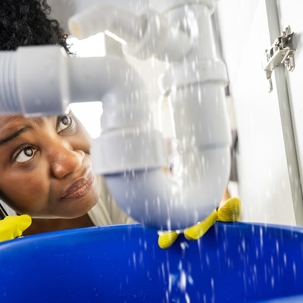
Waking up to water on your basement floor, a toilet that will not stop overflowing, or a sudden loss of hot water can turn a normal Portland day upside down. One minute your home feels comfortable and predictable, the next you are grabbing towels and buckets and wondering how bad the damage might be. Plumbing problems rarely happen at a convenient time, and in Portland’s mix of older homes and wild weather, they seem to show up in streaks.
If you feel like plumbing emergencies are more common here than they should be, you are not imagining it. Heavy rain, saturated soil, mature trees, cold snaps, and aging pipes all work together to put extra stress on Portland plumbing systems. Understanding how these local conditions create specific emergencies helps you see what is going on behind the walls and what you can do in the first few minutes to limit damage.
At Wolcott, we have been responding to plumbing emergencies in Portland homes and businesses since 1978. Nearly 50 years of work in the same communities has shown us clear patterns in when and how problems appear, from the first fall storms through winter freezes and spring thaws. In this guide, we will walk through the Portland plumbing emergencies we see most often, why they happen, what you can do right away, and when it makes sense to call our 24/7 team for help.
Why Portland Homes See So Many Plumbing Emergencies
Portland’s climate and housing stock set the stage for plumbing problems that are less common in drier or newer cities. Long stretches of heavy rain saturate the soil, which puts extra pressure on underground sewer lines. When soil gets waterlogged, it pushes and shifts, and older clay or cast iron pipes can crack, settle, or come apart at the joints. Once that happens, tree roots and fine silt can enter the line and slowly choke off flow, setting you up for a backup during the next big storm.
Many Portland neighborhoods, especially on the east side, have homes that were built decades ago. Older houses often still rely on original or partially updated plumbing. Materials like galvanized steel, cast iron, and clay have shorter lifespans than modern PVC and PEX. Inside the home, older supply lines and fittings corrode from the inside out. You may not notice anything until corrosion weakens a section enough that normal water pressure turns a pinhole into a visible leak.
Winter adds another layer of stress. Portland does not see long deep freezes like some parts of the country, but brief, sharp cold snaps are hard on exposed pipes because people are not always prepared. Water in uninsulated lines under crawlspaces, in exterior walls, or in unheated garages can freeze. When water freezes, it expands. That expansion increases pressure between ice plugs and closed valves, and the pipe wall eventually splits. You may not see the leak until temperatures rise and water starts flowing again.
After decades working on plumbing in Portland homes and businesses, we have seen how these factors repeat, season after season. Heavy fall rains bring sewer calls. Cold mornings send us to frozen pipes. Spring thaw reveals hidden leaks that have been quietly soaking framing and subfloors. Once you know why these emergencies happen here, you can recognize them faster and make better decisions about what to do next.
Sewer Backups During Heavy Portland Rains
Sewer backups are among the most disruptive plumbing emergencies in Portland, especially during heavy rainfall when saturated ground and overloaded systems place added stress on residential sewer lines. A backup occurs when wastewater is unable to flow normally to the city main and instead reverses direction, emerging through the lowest fixtures in the home such as basement drains, showers, or toilets. Beyond the immediate mess and odor, sewage exposure can cause significant property damage and sanitation concerns.
Recognizing early warning signs and understanding what to do can help limit damage and prevent a full backup.
- Gurgling drains during water use: Strange noises from floor drains or toilets when appliances like washing machines run often indicate a partial blockage in the main line.
- Slow drainage across multiple fixtures: Widespread sluggish drains suggest a restriction in the main sewer line rather than an isolated clog.
- Water backing up in low fixtures: A tub or basement drain filling when another fixture is used signals wastewater is struggling to exit the home.
- Sewer odors indoors or near drains: Persistent sewage smells can point to buildup or compromised flow in the sewer system.
- Worsening conditions during storms: Heavy rain can overwhelm weakened or partially blocked lines, turning minor issues into full backups quickly.
- Immediate response steps at home: Stop all water use, avoid flushing or running appliances, and if accessible, cautiously check an exterior cleanout to relieve pressure where possible.
Burst & Leaking Pipes After Portland Cold Snaps
Burst and leaking pipes are a frequent winter plumbing emergency in Portland, often appearing in clusters during sudden cold snaps after milder weather. Pipes located in crawlspaces, unheated garages, and exterior walls are especially vulnerable when temperatures drop quickly. Because many cold spells are brief, homeowners may not realize how quickly freezing conditions can threaten exposed plumbing.
When water freezes inside a pipe, it expands and creates intense internal pressure between blockages or closed valves. That pressure continues building in unfrozen sections until the pipe fails, often cracking copper or splitting plastic fittings. The damage typically occurs while the pipe is frozen, but the leak often becomes visible only after thawing restores water flow.
Key signs of freeze-related pipe bursts and the immediate steps to take include:
- Sudden water release when plumbing is turned back on: Water pouring from ceilings, walls, or under sinks often indicates a pipe has already failed during freezing conditions.
- Hissing or spraying sounds behind walls: Audible leaks inside wall cavities can signal pressurized water escaping from a cracked or split line.
- Unexpected pooling near foundations or crawlspaces: Puddles forming after a cold night may indicate a burst supply line in an unconditioned area beneath the home.
- Immediate water shutoff is critical: Turning off the main water supply at the home entry point or meter helps stop active flooding and limits damage.
- System pressure relief steps: Opening the highest and lowest faucets helps drain remaining water and reduce pressure in the plumbing system.
Clogged Drains Versus True Emergency Blockages
Not every slow drain is an emergency, but certain patterns point to a problem that can quickly get out of hand in a Portland home. Knowing the difference between a simple clog and a main line blockage helps you decide when to reach for a plunger and when to put the plunger down and pick up the phone.
A single sink or shower that drains slowly, with other fixtures working normally, is usually a localized clog. Hair, soap scum, food particles, and small items often collect in the trap or nearby branch line. These issues are annoying but rarely urgent if you catch them early. By contrast, when multiple fixtures on the same level start draining slowly, or when a toilet flush makes water rise in a tub or shower nearby, that points to a larger restriction closer to the main stack or main sewer line.
Inside your home, branch drains from sinks, tubs, and toilets join a vertical stack that then connects to the main line out to the street. Grease poured down kitchen sinks, wipes or hygiene products flushed over time, and scale buildup in older cast iron pipes can all narrow that main path. In older Portland neighborhoods, tree roots often find their way into any small crack in the main line outside. Over months or years, those roots form a mat that catches everything, until one day the line is more blocked than open.
Many homeowners reach for chemical drain cleaners at the first sign of a slow drain. In older metal pipes, those chemicals can accelerate corrosion or damage joints. Even in newer plastic lines, they often do little against roots or heavy grease and can create fumes if they sit in the line. Repeated aggressive plunging at multiple fixtures can also move wastewater into places you do not want it, such as forcing water out of another drain or loosening weak seals.
When you call us about drain issues, we ask targeted questions about which fixtures are affected and how long the problem has been developing. Our goal is to give you a straight answer about urgency. Sometimes we recommend a scheduled visit or simple steps you can try safely. Other times, especially when you see sewage at a low drain or multiple toilets affected, we treat it as an emergency because we know how quickly that can turn into a full backup in a Portland basement or lower level.
Water Heater Failures That Cannot Wait
A water heater rarely fails without warning, and when it becomes an emergency, the signs are usually easy to recognize. Homeowners may notice water pooling around the base of the tank, loud popping or rumbling sounds during heating cycles, or a sudden shift to excessively hot water at fixtures. In more serious cases, the temperature and pressure relief valve may discharge water as the system tries to prevent unsafe internal conditions.
Inside a traditional tank water heater, repeated heating cycles cause minerals in the water to settle as sediment at the bottom of the tank. Over time, this buildup reduces efficiency and forces the unit to work harder, which can lead to overheating, corrosion, and structural stress on the tank lining. Small leaks often begin at seams or fittings and can quickly worsen as internal damage progresses.
When a water heater shows signs of failure, there are key emergency indicators and response steps to understand:
- Water pooling around the base of the tank: This often signals an active tank leak or failing internal seam that requires immediate attention.
- Loud popping or rumbling noises: Sediment buildup causes overheating at the bottom of the tank, creating pressure and noise during operation.
- Discharge from the temperature and pressure relief valve: Water releasing from this valve indicates unsafe internal pressure or temperature conditions.
- Sudden extreme water temperatures at fixtures: A malfunctioning thermostat or heating element can cause scalding water output.
- Immediate shutdown of power or gas supply: Turning off electricity at the breaker or shutting off gas (if safe) helps prevent further heating and reduces risk.
Because Wolcott handles plumbing, HVAC, and electrical work, our technicians can address both the water side and the power or gas side of water heater emergencies in a single visit. In many cases, a leaking tank means the heater needs replacement rather than repair. We walk you through your options clearly, explain installation details such as pans and drains in Portland homes, and provide upfront pricing so you know the full cost before we begin work.
Hidden Leaks, Mold Risks & Structural Damage
Some of the most costly plumbing emergencies in Portland do not start with a dramatic burst. They begin as slow, hidden leaks that soak into building materials over weeks or months. In a damp climate, that moisture creates conditions for mold growth and wood decay, even when you do not see obvious standing water.
Early signs of hidden leaks can be subtle. You might notice a musty smell in a particular room, discoloration or bubbling paint on a wall or ceiling, or a warm spot on a floor where a hot water line runs. Sometimes the only clue is a water bill that climbs for no clear reason. Behind the surface, a small drip from a supply line, fitting, or drain connection can be feeding steady moisture into drywall, insulation, or framing.
Water travels through building materials in ways that surprise many homeowners. Through capillary action, moisture can wick upward or sideways through wood and drywall, so the visible stain may be far from the actual leak. In crawlspaces, a slow leak can saturate insulation and subflooring, eventually leading to sagging floors. When materials stay damp in Portland’s generally humid conditions, mold colonies can establish on paper-faced drywall, wood, and dust inside cavities.
Hidden leaks near electrical components are especially concerning. Water can run along framing or conduit and end up at outlets, junction boxes, or panels. Even if you do not see sparks or tripped breakers, that combination demands prompt attention for safety reasons. A slow drain leak under a tub or shower can also lead to soft spots in the floor and structural damage if left unaddressed.
Our technicians use practical tools and methods to track down hidden leaks, such as moisture meters, careful test cuts, and access panels, while keeping disruption to your home as limited as possible. Because we are committed to respecting your property, we protect floors and furnishings before opening any areas, explain what we find in plain language, and clean up our work areas when emergency repairs are complete. We also point out where further drying or mold remediation may be needed, so you can address the full problem, not just the plumbing side.
What To Do In The First Minutes Of A Plumbing Emergency
The first few minutes of a plumbing emergency in a Portland home are often the most important for limiting damage and controlling costs. While each situation can differ, the priority is usually the same: stop the water source, avoid safety hazards, and protect nearby areas until professional help arrives.
Knowing the correct sequence of immediate actions can help you respond effectively in those critical first moments:
- Shut off water at the affected fixture when possible: Small leaks or overflows can often be stopped by closing the individual shutoff valves under sinks or behind toilets.
- Locate and use the main water shutoff for larger emergencies: Burst pipes or widespread leaks typically require turning off the main valve, often found in a basement, crawlspace, or near the home’s water entry point.
- Understand valve operation types: Wheel-style valves close by turning clockwise, while lever-style valves are turned perpendicular to the pipe to shut off flow completely.
- Avoid electrical hazards around water: Do not enter standing water if outlets, appliances, or electrical panels may be affected, as this creates a serious shock risk.
- Protect belongings if conditions are safe: Move rugs, furniture, and valuables away from wet areas only when it can be done without exposure to electrical or structural hazards.
- Determine urgency before calling for service: Active uncontrolled leaks, sewage backups, or water near electrical systems require emergency response, while minor drips or isolated issues may allow for scheduled service.
Preventing The Next Portland Plumbing Emergency
Once a plumbing emergency is resolved, the next priority is reducing the likelihood of it happening again. While no home is completely immune to issues, there are practical maintenance and upgrade steps that can significantly lower the risk and severity of future problems in Portland homes.
A focused prevention plan can help identify hidden issues early and strengthen vulnerable parts of your plumbing system:
- Schedule sewer camera inspections for older lines: This helps identify cracks, root intrusion, and low spots before they turn into major blockages or backups.
- Add or improve sewer cleanouts: Accessible cleanout points make future inspections and drain clearing faster, easier, and less disruptive.
- Insulate exposed pipes before winter: Wrapping pipes in crawlspaces, garages, and unheated areas reduces the risk of freezing and bursting during cold snaps.
- Monitor and regulate water pressure: Using a pressure gauge and installing or adjusting a pressure reducing valve helps prevent stress on aging plumbing systems.
- Consider expansion tank installation: This helps absorb pressure fluctuations, especially in homes with water heaters that experience frequent cycling.
- Schedule routine plumbing inspections: Checking for corrosion, testing shutoff valves, and looking for hidden leaks can catch small issues before they escalate.
- Address system-wide vulnerabilities proactively: Coordinating plumbing checks with HVAC and electrical systems helps identify risks near condensate lines, panels, and shared utility spaces.
Get Local Help For Portland Plumbing Emergencies, Day Or Night
Plumbing emergencies in Portland follow the rhythms of our weather and the realities of aging pipes, from sewer backups during heavy rains to burst pipes after cold snaps and water heater failures in older homes. When you understand what is happening behind the scenes and what to do in the first minutes, you can limit damage and make smarter choices about repair and prevention.
Since 1978, Wolcott has been helping Portland homeowners and businesses get through these stressful moments with clear communication, upfront pricing, and skilled, courteous technicians who treat every property as if it were their own. Whether you are standing in a flooded basement right now or you want to head off the next emergency with a thorough inspection, we are ready to respond and walk you through your options.
Call (971) 253-7883 for 24/7 help with Portland plumbing emergencies or to schedule a preventive visit.