
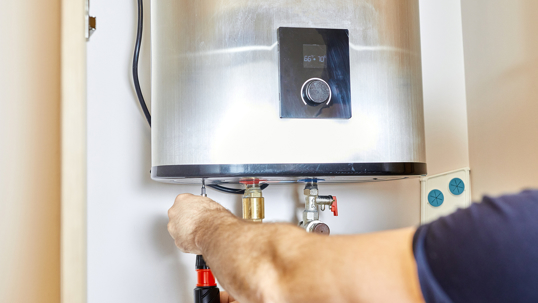
You probably installed a tankless water heater in your Portland home so you could stop worrying about running out of hot water, not so you could add one more thing to your to-do list. After a few years of use, though, you might notice the hot water takes longer to arrive, showers do not feel quite as hot, or your unit flashes an error code you have not seen before. Those little changes are usually your tankless system’s way of asking for attention.
Tankless units are efficient and compact, but they are not maintenance free. Portland’s mix of older plumbing, remodels, accessory dwelling units, and busy households means these systems work hard every day. Without a simple yearly routine, mineral buildup, debris, and minor issues can slowly stack up until you are dealing with lukewarm water, frequent resets, or a sudden breakdown at the worst time.
At Wolcott, we have been working on water heaters in Portland homes and businesses since 1978, so we have seen what happens when tankless maintenance is handled regularly and when it is ignored. We put this Portland tankless maintenance checklist together to match what our own technicians look at on service calls. You will see which steps you can safely do yourself and where it pays to bring in our plumbing and HVAC team for a full tune up.
Why Portland Tankless Water Heaters Need Yearly Attention
Many Portland homeowners were told that a tankless water heater is a "set it and forget it" upgrade, since no tank of water means no rust ring, no sediment buildup, and no big standby losses. In practice, though, the way a tankless unit heats water creates its own set of maintenance needs, forcing cold water through narrow passages in a heat exchanger equipped with sensitive sensors. Portland's housing stock makes this even more noticeable, especially in older homes with galvanized or mixed piping that tend to shed more rust and sediment.
Here's why yearly attention matters so much for these systems:
- Mineral scale buildup – As water is heated rapidly inside the heat exchanger, minerals like calcium fall out of solution and stick to metal surfaces, forming a hard layer over time.
- Reduced heating efficiency – Scale acts like insulation, forcing the burner or electric elements to work longer and harder to deliver the same water temperature.
- Hot-cold temperature swings – We regularly see Portland units with enough scale buildup to cause noticeable temperature instability and reduced flow.
- Increased sediment from older piping – Homes with galvanized or mixed piping tend to introduce more rust and particles into the system over time.
- Higher demand from home additions – Added bathrooms, laundry rooms, or ADUs can push hot water demand well beyond a tankless unit's original design capacity.
- Clogged inlet strainers – Without regular maintenance, these components can become blocked, restricting water flow into the unit.
- Fouled sensors – Debris buildup can interfere with the sensors that measure flow and temperature, leading to inaccurate performance.
- Gradual heat exchanger blockage – Left unaddressed, scale can slowly choke the heat exchanger, causing the system to feel weaker and less stable each month.
Most tankless manufacturers recommend annual inspection and descaling in areas with meaningful mineral content, and skipping that maintenance may not cause an immediate failure, but it does increase the odds of nuisance error codes, expensive component replacements, and potential warranty issues down the road.
Step 1: Do a Quick Visual and Safety Check Around Your Tankless Unit
We always start tankless service calls the same way, with a careful look and listen before we ever pick up a wrench. You can do a version of that at home as your first checklist step. Stand in front of the unit and scan the area. Look for water stains on the wall, dampness on the floor, rust streaks on fittings, or any fresh corrosion on the case or nearby piping. Even a faint line of discoloration can be the first sign of a slow leak or previous overflow that deserves attention.
Next, just listen. A healthy tankless will make a predictable sequence of sounds when it fires, a soft click, then a fan, then a steady, controlled burn or hum while water flows. Loud rattling, grinding, or repeated clicking that does not lead to hot water can suggest a fan issue, ignition trouble, or flow restriction. You do not need to diagnose it, just note anything that sounds different than it did when the unit was new.
Take a moment to scan around the unit for storage and obstructions. In many Portland basements and utility closets, tankless water heaters share space with paint cans, boxes, and seasonal items. Gas units need clear space for combustion air and safe separation from anything flammable. Make sure cardboard, gasoline cans, solvents, and similar items are not crowding the unit. For vented units, step outside and check the vent termination if it is accessible. Look for leaves, spider webs, dryer lint, or snow blocking the intake or exhaust.
If you have a high efficiency gas tankless, you may see a plastic condensate line running from the unit to a drain. This line carries acidic water created when hot exhaust is cooled. If that line kinks, clogs, or freezes, it can force the unit to shut down or leak. Make sure the line is supported, not pinched, and draining where it should. When our technicians visit Portland homes, we often find that a simple condensate issue or blocked vent is behind a unit that keeps shutting off.
This visual and safety check rarely fixes a problem on its own, but it often reveals early warning signs. If you see obvious leakage, heavy corrosion, or any sign of soot or melting near the vent or cabinet, that is a good reason to pause your DIY checklist and call Wolcott so we can address a potential safety issue before it grows.
Step 2: Check & Clean the Cold Water Inlet Filter
Almost every tankless water heater has a small inlet filter or strainer on the cold water side. Its job is simple, catch grit, rust chips, and larger debris before they enter the tight passages in the heat exchanger. In older Portland homes, where galvanized pipes and aging valves still exist, that filter can load up much faster than homeowners expect. A partially clogged inlet filter is one of the most common reasons we see reduced flow and temperature complaints.
On many units, the inlet filter sits in a small housing at the cold water connection under the heater. With the unit shut off and water isolated, the filter can often be unscrewed or pulled out and rinsed under a faucet. Even if you are not comfortable taking it apart yourself, shining a flashlight around the cold water connection will at least show you where the filter lives. If your manual confirms that basic cleaning is homeowner approved, this is one of the safest and highest impact DIY steps.
When that filter clogs, your tankless may start showing “low flow” or similar error codes, but sometimes it just behaves poorly. Showers feel weaker, hot water takes longer to arrive, and the unit may shut off when you open a second fixture. Inside the heater, flow sensors see less water moving than expected and adjust firing down to avoid overheating a small volume of water. The system is trying to protect itself, but from your side of the shower, it looks like the heater is failing.
In Portland, we often find that homes with a mix of old and new plumbing send a surprising amount of debris into that filter after any work is done on the lines. If you recently had plumbing work or a new tankless installed, a filter check within the first year is especially important. This step alone can restore apparent “lost” performance on units that are only a few years old.
If you are unsure how to shut off water and power safely or cannot locate the filter, let us know. Our technicians clean inlet filters as part of routine tankless maintenance. We can walk you through what we find, show you the component in person, and recommend how often it should be checked in your specific Portland home.
Step 3: Flush and Descale the Heat Exchanger Each Year
Flushing and descaling the heat exchanger is the heart of annual tankless maintenance. This is the step most homeowners have heard about but do not always understand. Inside the unit, the heat exchanger is a tightly wound set of small passages where cold water absorbs heat from gas burners or electric elements. Over months and years, minerals in the water leave a thin film on those passages. As that layer thickens, it takes more energy and time to reach your set temperature.
We often compare scale inside a heat exchanger to putting on a heavy jacket. The heat source is on one side of the metal, your water is on the other, and that mineral “jacket” slows down heat transfer. The unit senses that water is not warming as fast as it should, so it keeps burning longer at high fire. That extra strain can raise internal temperatures enough to trigger safety limits. You might see error codes about overheating, combustion, or supply temperature, even though the root issue is the mineral film.
A proper descale uses a small pump, hoses connected to the service valves under the heater, and a non corrosive descaling solution or vinegar circulated through the heat exchanger. The solution dissolves scale on the metal surfaces, which restores more of the original flow and heat transfer. On service calls, we combine this with checks of gaskets, valves, and internal seals, because we already have the unit isolated and open. Homeowners who are comfortable working with water isolation valves and pumps can in some cases perform a basic flush, but many prefer to have us handle it to avoid leaks and mess.
How often this is needed depends on your water and your usage, but many manufacturers recommend annual descaling once the unit is in regular use. We see that interval make sense in many Portland households. Busy families with multiple showers and laundry running frequently, or homes with known mineral content in the water, tend to benefit from a yearly flush. Skipping two or three years usually shows up as longer warm up times, more noise from the unit, and more frequent error resets.
During our annual tankless tune ups, we treat descaling as only one piece of a larger visit. While the pump runs, we inspect wiring, check for water staining inside the cabinet, and evaluate valves and flex connections that can become brittle over time. That is how we often catch small leaks before they become major wall or floor damage. If you want the peace of mind of a full tune up instead of just a flush, scheduling that visit once a year keeps the entire system on a predictable maintenance rhythm.
Step 4: Inspect Venting, Combustion, and Condensate (Gas Tankless Units)
If your Portland home has a gas tankless water heater, venting and combustion checks are just as important as descaling. The burner inside your unit is similar in concept to a compact furnace. It needs the right amount of air, a clear path for exhaust, and proper gas pressure to burn cleanly. When any part of that balance is off, you can end up with soot, noisy operation, or, in the worst case, unsafe exhaust conditions.
There are a few observations homeowners can safely make. From the outside, find the vent termination if it is accessible in a side wall or on a low roof. Look for nests, leaves, lint from nearby dryer vents, or winter ice that could partially block airflow. Back inside, scan around the vent connection and top of the unit for any dark streaks or melted plastic. Those are warning signs that exhaust is not moving the way it was designed to and that a professional inspection is due.
High efficiency gas tankless units also produce condensate as they pull extra heat out of exhaust gases. That liquid travels through a small plastic drain line to a floor drain, pump, or condensate neutralizer. In Portland basements and crawlspaces, we frequently find these lines sagging, kinked, or partially plugged. When that happens, condensate can back up into the unit, causing corrosion, internal leaks, or shutdowns. A quick visual check for standing water in the line or damp spots under it is a simple but valuable part of your yearly routine.
What you should not try to do yourself is adjust gas pressures, clean burners, or open sealed combustion compartments. Those tasks require instruments and training. Our team checks combustion quality with appropriate tools, verifies gas supply pressures, and inspects burner and ignition components for wear. Because Wolcott handles plumbing, HVAC, and electrical work under one roof, we can address the full range of issues that come up during these inspections without handing you off to another contractor.
If you ever notice a persistent gas smell, visible soot, or your carbon monoxide alarm sounding, skip the checklist and treat that as an urgent safety issue. Get everyone to fresh air and call for immediate help. For everything less urgent, such as noisy operation, repeated ignition errors, or minor vent staining, adding a professional venting and combustion check to your annual maintenance visit is a smart step.
Step 5: Review Settings, Error History, and Hot Water Performance
Your tankless water heater’s controls and daily behavior hold valuable clues about its health. As part of your Portland tankless maintenance checklist, take a few minutes to look at the set temperature on the unit’s display. Many systems are set somewhere between 120 and 125 degrees. If your setpoint is correct but your taps are delivering water that feels much cooler, that mismatch can point toward scale, flow issues, or sensor problems.
Think about how the system has been behaving over the last few months. Do showers start hot, then suddenly drop to lukewarm before recovering? Does hot water bounce when someone opens a sink while you are in the shower? These hot cold swings often appear when the unit is struggling to keep up because scale has narrowed internal passages or because the inlet filter is partially blocked. They are early warning signs that maintenance is overdue, not just quirks you have to live with.
Most modern tankless units store or display error codes when they shut down or detect something outside normal limits. If you have ever seen a code flash and then disappear after a reset, the memory might still hold it. Your manual should show you how to access stored codes if that feature exists on your model. Write down any codes you find and when they happened. When we come out for service, having that history ready often saves time and helps us zero in on the right component more quickly.
This is also a good time to think about how your home has changed since the heater was installed. If you added a second bathroom, finished a basement, or built a backyard ADU, your tankless may now be serving more fixtures and people than originally planned. That higher demand does not just affect capacity. It also means the unit cycles more often and racks up hours faster, which argues for sticking closely to a yearly maintenance schedule rather than stretching intervals.
During our annual visits, we routinely check temperature at a nearby tap, compare it to the setpoint, and look for stored error histories or unusual firing patterns while the unit runs. Sharing what you have observed at home helps us match those readings to what you feel day to day, and that is often how we catch small control issues before they become full failures.
What Homeowners Can Do vs. What Our Technicians Should Handle
A good Portland tankless maintenance checklist respects both safety and warranty boundaries. There is plenty a careful homeowner can do to keep an eye on their system, but there are also clear points where trained technicians should take over, and knowing where that line sits helps you avoid risky DIY while making professional visits more effective. When you schedule annual tankless maintenance with Wolcott, we build these professional tasks into one visit, starting with many of the same checks you can do at home before going deeper while the unit is safely isolated. Here's how these responsibilities typically break down:
Tasks homeowners can safely handle:
- Visual and safety checks – Look for signs of leaks or corrosion around the unit.
- Vent termination checks – Confirm that vent terminations remain clear and easy to access.
- Listening for new noises – Unusual sounds can be an early sign that something needs attention.
- Keeping storage away from the unit – This helps maintain proper airflow and access.
- Cleaning the cold water inlet filter – Safe to do once you know how to properly shut off power and water first.
- Monitoring hot water behavior – Noting any changes in temperature consistency or flow.
- Recording error codes – Keeping track of any codes that appear can help technicians diagnose issues faster.
Tasks best left to professionals:
- Full descaling of the heat exchanger – Requires specialized pumps and solutions to properly clear mineral buildup.
- Thorough internal component inspection – Ensures nothing is overlooked that could affect performance or safety.
- Combustion analysis and gas pressure checks – Require specialized meters and training to perform safely and accurately.
- Detailed electrical diagnostics – Best handled by trained technicians familiar with the specific system.
- Opening sealed combustion compartments – Doing this without proper training can create hazards and may void manufacturer warranties.
If your checklist uncovers active leaks, strong fuel or exhaust odors, repeated shutdowns, or any sign of scorching around the unit, move those into the "call a technician now" category, since our same-day service when available and 24/7 emergency availability mean you're never left without help when you need it most.
How Annual Tankless Maintenance Pays Off for Portland Homes
A consistent yearly routine may not feel exciting, but it is what keeps your tankless water heater doing the thing you wanted from it in the first place: delivering hot water quietly in the background. In Portland homes where we have maintained tankless systems year after year, we typically see fewer surprise cold showers, fewer nuisance error codes, and a more predictable energy profile compared to similar units that are only serviced when they break. Catching issues early almost always costs less than handling them in crisis mode, whether that's a minor drip at a valve or a moderate layer of scale buildup.
Here's how annual maintenance pays off over time:
- Fewer surprise cold showers – Regularly maintained systems tend to run more reliably, reducing unexpected interruptions in hot water.
- Fewer nuisance error codes – Consistent upkeep helps prevent the small issues that often trigger these warnings.
- More predictable energy use – Well-maintained units tend to operate more efficiently and consistently over time.
- Lower long-term repair costs – Fixing a minor drip or slow condensate backup during a scheduled visit is far less costly than addressing damaged walls or corroded components later.
- Reduced risk of unexpected failure – Catching small issues early helps prevent a unit from failing at the worst possible moment, like a winter morning.
- Less expensive scale removal – Dissolving a moderate layer of buildup is typically faster and cheaper than replacing a heat exchanger that's been neglected for years.
As a family-owned company that has been serving Portland and nearby communities since 1978, we look at tankless maintenance as part of a long-term relationship with your home, and if your system hasn't had a proper check in the last year, we're ready to perform the full maintenance checklist and leave you with clear notes about its condition and what to expect next.