
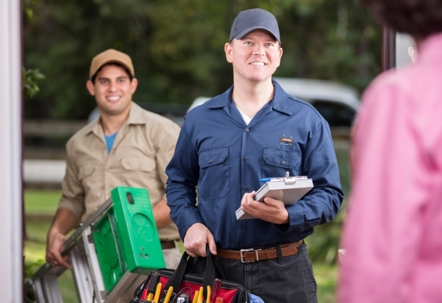
Scheduling a water heater replacement can feel like inviting a construction project into the heart of your home. You know it has to be done, but you might be picturing wet floors, a crew squeezing a large tank through tight hallways, and your family asking when the hot water will be back. On top of that, you may be wondering if surprise costs will suddenly appear once the old unit is out.
For many Portland homeowners, the unknowns create more stress than the actual work. How long will the job really take? Will the technician need to cut into walls or ceilings? What if a valve will not turn or the electrical panel is confusing? With a little preparation, you can turn a potentially chaotic day into something predictable and manageable, even if your current water heater has already failed.
At Wolcott, we have been replacing water heaters in Portland and nearby communities since 1978. Over those decades, we have seen just about every type of basement, garage, and closet installation in this area, along with the shortcuts and surprises that come with older homes. This guide pulls together the prep steps that actually make a difference, based on real jobs our plumbing, HVAC, and electrical teams handle every day, so you know how to get your home ready and what to expect when the doorbell rings.
Why Preparing For Water Heater Replacement Matters
Some homeowners assume a water heater replacement is as simple as removing the old unit and sliding a new one into place in a single, quick visit. In practice, the efficiency of the installation depends heavily on the conditions our technicians encounter on arrival. Factors like clear access, functional shutoff valves, and adequate working space all influence how smoothly and safely the replacement can be completed, as well as whether unexpected delays arise once work begins.
Proper preparation before a water heater replacement helps ensure a faster, safer, and more efficient installation process:
- Clear access around the water heater: Removing boxes, stored items, or built-in obstructions allows technicians to safely remove the old unit and install the new one without delays.
- Ensure shutoff valves are functional: Working water and gas shutoff valves help prevent complications and allow the system to be safely isolated before removal begins.
- Provide adequate working space: Open space around the unit allows for proper maneuvering of equipment and reduces the risk of damage during removal and installation.
- Check surrounding plumbing and venting conditions: Identifying issues like corrosion or damage ahead of time helps avoid last-minute repairs during installation.
- Plan for temporary hot water loss: Preparing household schedules in advance reduces disruption while the system is offline during replacement.
- Consider access pathways into the home: Ensuring clear entry routes helps speed up removal of the old tank and delivery of the new unit.
- Prepare questions or preferences ahead of time: Having decisions ready before installation helps avoid delays and allows for a smoother, more focused service visit.
Confirm The Basics Before Installation Day
Before anyone touches a wrench, it helps to confirm a few key details about your replacement. The size, fuel source, and style of your next water heater affect not only how it will be installed, but also how long the work may take. For example, replacing a gas tank with a similar gas tank in the same spot is usually more straightforward than changing fuel types or relocating the unit, which can involve electrical or gas line adjustments.
If you have already scheduled with Wolcott, take a moment to review your confirmation. Make sure the appointment date and arrival window still work for your household, and that we have the correct information about whether your current unit is gas or electric and approximately how large the tank is. If you are not sure, a quick look at the label on the tank or a photo sent to our team can clear things up before we arrive.
It also helps to plan who will be available on installation day. Ideally, someone who understands the home and can approve decisions is present or reachable by phone. If we uncover something unexpected, such as a failed shutoff valve or venting that no longer meets current standards, we will pause and walk you through options. Having a decision-maker available keeps the job moving instead of waiting while we try to reach you.
In many cases, water heater replacement involves basic permitting or inspection steps under local rules. Our team can explain what typically applies for your situation and handle those steps as part of the project, so you are not left guessing about paperwork. Confirming these details with our office ahead of time fits with our upfront pricing and transparent communication, and it helps prevent last-minute surprises with scope or cost when the technician is already on site.
Clear A Safe Path & Working Area Around Your Water Heater
One of the most impactful things you can do before we arrive is to give the technician room to work. A standard tank-style heater is bulky and heavy, especially before it is drained, and even compact units require space for tools, piping, and safe movement. In most Portland homes, we recommend clearing at least two to three feet of space in front of and around the water heater, and ensuring there is a clear path from the entry door to the unit.
Common problem spots include garage corners where the heater is surrounded by bikes, storage bins, and yard tools, or basement rooms where shelving and boxes have slowly expanded until the heater is partially blocked. In some older homes, the water heater sits in a closet or small utility room that has become a catch-all for cleaning supplies and household items. When our technicians have to move or work around those obstacles, it adds time and makes it harder to keep the area clean and safe.
Walk the route our crew will likely take. Look at doorways, hallways, and stairs between the outside door and the water heater. Move any fragile items, small furniture, or rugs that might catch on equipment or become tripping hazards. If your heater is in a basement, think about how we will carry tools and, in some cases, sections of the old tank out. Creating a straight, unobstructed path lets us protect your walls and floors more easily.
We also suggest securing pets in a separate room for the duration of the visit. Even friendly animals can be curious about new people and equipment, and we will be moving heavy items and handling hot and cold water lines. At Wolcott, our technicians are committed to leaving your home clean and safe, including using floor protection and cleaning up debris. When the path and work area are already clear, we can keep our footprint small and focus on the replacement instead of rearranging your belongings.
Check Your Water, Gas, and Electrical Access Points
You do not need to do any plumbing or electrical work yourself, but knowing where key shutoffs and access points are located can save time once we arrive. Your water heater connects to your home’s water supply, and in many Portland homes there is a main water shutoff plus valves near the heater itself. The technician will need to isolate the heater from the rest of the system so we can drain and remove it safely.
If you feel comfortable, take a look for the main water shutoff, which is often where the water line enters the house or near the water meter. Some heaters also have a smaller valve on the pipe feeding directly into the tank. You do not need to force anything, but simply knowing where these valves are and whether they appear accessible, not boxed in or hidden behind finished walls, helps us get started faster.
For gas water heaters, we will need to access the gas shutoff at the heater and sometimes the area around the gas meter. Make sure we can reach these spots without moving heavy items or climbing over storage. For electric water heaters, we will turn off power at the electrical panel and verify we are on the correct breaker. Clear access to the panel allows us to safely de-energize the circuit and confirm everything is properly labeled before we work on the heater.
Our crews at Wolcott handle both plumbing and electrical work, so once we are on site, we take care of operating shutoff valves and breakers as needed. However, we often find valves that are stiff or do not fully close, or panels that are crowded or mislabeled. When you know these areas are reachable ahead of time, it reduces the chance that we have to stop the job to hunt for a hidden panel or a buried valve.
What To Do If A Valve or Breaker Seems Stuck
If you encounter a shutoff valve that will not turn or a breaker that is difficult to identify, it is important not to force the issue. Many older Portland homes have plumbing and electrical components that have been in place for years without being operated, and attempting to move stuck parts can lead to leaks, broken fittings, or electrical hazards. In these situations, careful observation and professional assessment are the safest approach.
When dealing with a stuck valve or unclear breaker during water heater issues, follow these safe steps:
- Do not force a stuck shutoff valve: Applying excessive pressure can damage aging plumbing and lead to leaks or pipe failure.
- Avoid repeated attempts to turn resistant components: Continued force can worsen corrosion-related sticking and make future repairs more complicated.
- Leave unfamiliar electrical breakers alone: If you are unsure which breaker controls the water heater, avoid guessing or flipping multiple switches.
- Note what you observe for the technician: Recording the location and condition of the valve or panel helps speed up diagnosis and repair.
- Inform the technician upon arrival: Sharing details about stuck or unclear components allows the service visit to be planned more efficiently.
- Allow for professional repair or replacement: Many aging valves and connections can be safely repaired or upgraded during the same visit once assessed.
Plan For A Few Hours Without Hot Water
Most straightforward water heater replacements can be completed in a few hours from the time we arrive to the time the new unit is installed and tested. However, the period when you are without hot water will cover both the installation itself and the time it takes for the new tank to heat. Planning around that window keeps your household from getting stuck mid-shower or halfway through a load of laundry when we need to shut things down.
Many homeowners schedule replacements in a morning or early afternoon window so they can run showers and dishwashers beforehand and still have hot water available later in the day after the new heater has warmed up. The exact heat-up time depends on the tank size, fuel type, and incoming water temperature, but you can reasonably expect a new standard tank to reach normal shower temperatures within a relatively short time after we finish, with full capacity following after that.
Think about who uses hot water and when in your home. Families with small children might want to bathe them before the appointment. If you or someone in your household works from home, consider how the noise of draining, removal, and installation might fit around calls or focused work. For homes with older adults, it can be helpful to plan around any routines that depend on hot water, such as daily bathing or cleaning equipment.
Sometimes a water heater fails unexpectedly, and you may be reading this while already without hot water. In those situations, our same-day service when available and 24/7 emergency availability help you get back to normal as quickly as possible. Even when we are responding urgently, we still communicate realistic timelines, let you know when we are on the way, and walk you through what will happen once we arrive, so you can plan the rest of your day with as little disruption as possible.
Prepare For Possible Code Upgrades and Extra Recommendations
Pulling an old water heater out of its corner often reveals things no one has looked at closely in years. In many Portland homes, that might include older earthquake strapping that no longer lines up with current standards, vent pipes that have rusted or shifted, or sections of corroded piping that were hidden behind the tank. None of this means your old heater was about to fail catastrophically, but it does mean we may recommend bringing certain elements up to current safety expectations.
For tank-style heaters, seismic strapping is designed to help keep the unit anchored during an earthquake. Older straps may be loose, missing, or attached to framing in ways that no longer meet present guidelines. Similarly, gas heaters rely on proper venting to safely carry combustion gases outside. Over time, joints can loosen and metal can corrode, especially in damp basements or garages. When we install a new heater, we want to be confident that the whole system, not just the tank, is safe.
These types of upgrades are common, especially in older neighborhoods, and they are about protecting your home and family, not about selling extras you do not need. At Wolcott, we explain what we see in plain language, show you where the issue is when possible, and tell you why we are recommending a fix. We provide upfront pricing for any additional work before we proceed, so you remain in control of the decision.
If addressing needed upgrades stretches your budget, ask about our flexible financing options. We understand that a water heater replacement is often an unplanned expense, and that adding necessary safety improvements on top of that can be a strain. Financing can make it easier to get the right work done now, instead of postponing important repairs that keep your system safe and compliant.
Have Your Questions and Preferences Ready For The Technician
A water heater replacement is also a chance to adjust how your hot water system serves your home. If you have ever felt like you run out of hot water too quickly or that it takes a long time for hot water to reach a particular bathroom or kitchen, mention that to the technician at the start of the visit. Those details help us recommend the right tank size or discuss other adjustments that could improve your day-to-day comfort.
Before installation day, jot down any questions you have about efficiency, capacity, or features. You might want to know whether a slightly larger or smaller tank makes sense for your household, how efficiency ratings translate into real energy use, or whether relocating the heater would solve a recurring problem. You do not need to have the technical language for these questions. Simply describing your experience and goals gives our team the information we need to respond clearly.
At Wolcott, our technicians explain options in straightforward terms and walk you through the pros and cons of each choice. Instead of pushing a particular model or configuration, we focus on what fits your space, your plumbing and electrical setup, and your family’s habits. Coming into the appointment with your questions and preferences ready turns a rushed decision into a real conversation and helps you end up with a solution that fits you, not just your old tank’s footprint.
This is also a good time to share any concerns about timing, noise, or access inside the home. If you have a home office near the water heater, or if a family member needs quiet at certain times of day, telling us early allows the crew to plan noisier steps like cutting pipe or moving the old tank at times that work better for you.
What To Expect From Wolcott On Installation Day
Knowing what happens during a water heater replacement can make the entire process feel much more manageable. On installation day, the technician begins by reviewing the plan with you, confirming the equipment, location, and scope of work, and addressing any questions before starting. The work area and access route are assessed together so any tight spaces, fragile flooring, or obstacles are identified in advance. From there, the job follows a structured sequence designed to ensure safety, efficiency, and code-compliant installation.
A typical water heater installation day in your home follows a clear step-by-step process:
- Initial walkthrough and plan confirmation: The technician reviews the installation details with you and confirms the unit type, location, and any special considerations.
- Protection of surrounding areas: Floor coverings and protective materials are placed to safeguard flooring and nearby surfaces during the work.
- Shutting off utilities safely: Water is turned off, and gas or electricity is disconnected depending on the type of water heater being replaced.
- Draining the existing tank: The old heater is fully drained using a hose routed to an appropriate discharge point such as a drain or exterior area.
- Disconnecting and removing the old unit: Plumbing, venting, and utility connections are safely detached before the old heater is removed from the space.
- Installing the new water heater: The replacement unit is positioned, secured, and connected to water, power, or gas lines according to current standards and codes.
- System testing and final checks: The unit is filled, air is purged, and all connections are tested for leaks and proper operation before restoring full service.
Make Your Water Heater Replacement Easier With Local Pros You Can Trust
Preparing for water heater replacement does not have to be complicated. A clear path to the unit, awareness of key shutoffs, a realistic plan for a few hours without hot water, and a short list of questions for your technician can transform the experience from stressful to straightforward. When you pair those steps with a team that handles the plumbing, electrical, and safety details, you can feel confident the job will be handled carefully and correctly.
If your water heater is nearing the end of its life or has already failed, Wolcott can walk you through these preparation steps and handle the rest. Our decades in Portland, upfront pricing, and courteous technicians mean you will know what to expect at every stage, from the first phone call to the moment hot water is flowing again. To schedule or confirm your water heater replacement and talk through any prep questions, contact us today.